

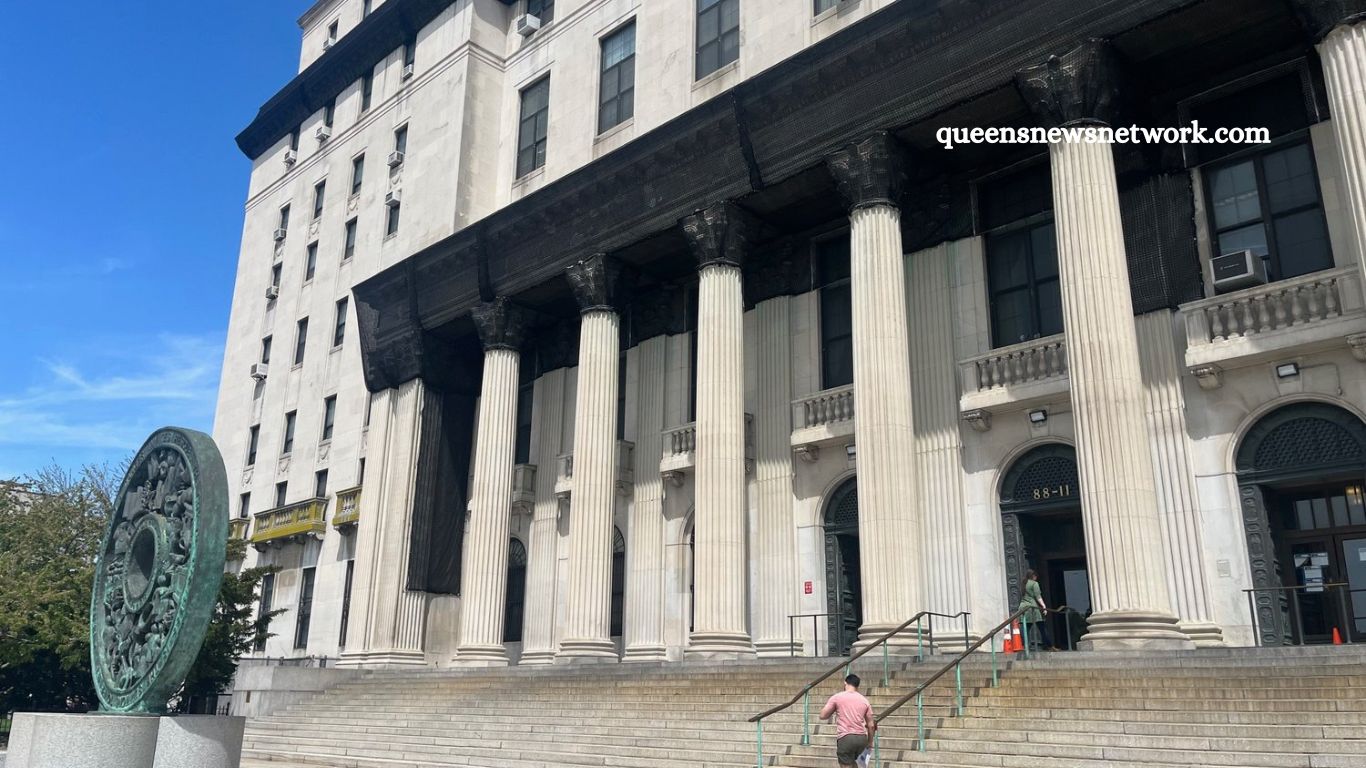
QUEENS, NY In a swift but impactful courtroom session, the Queens Supreme Court confirmed the removal of several local candidates from the upcoming primary and general election ballots. The brief 20-minute hearing, held Tuesday at the Queens Supreme Court on Sutphin Boulevard, cemented the Board of Elections’ (BOE) earlier decisions to disqualify candidates due to petition irregularities and signature shortfalls.
The court appearance, presided over by Judge Tracy Catapano-Fox, was largely procedural but marked the final step in disqualifying candidates who had hoped to compete in the 2025 city elections. The rulings bring clarity to an increasingly competitive political landscape in Queens and spotlight the high stakes of New York’s rigorous petition process.
Candidates Removed from Ballot
Seven candidates had their names officially removed from the 2025 primary and general election ballots:
- Sandro Navarro
- Bernard Chow
- Vera Daniels
- Supreet McGrath
- Phillip Grant
- Allen Wang (partially removed; remains under Conservative Party line)
- Additional disqualifications occurred without legal challenges.
Read More: District 30 Race Intensifies Following Heated Debate
Sandro Navarro: A Campaign That Fell Short
Sandro Navarro, a staffer for State Senator Jessica Ramos, was officially removed after failing to submit enough valid petition signatures. Navarro had been campaigning to replace outgoing City Councilmember Francisco Moya in District 21, but struggled to raise funds or secure endorsements in a crowded field.
Navarro was notably absent from the courtroom and did not have legal representation present. He also did not respond to media requests for comment.
The challenge to Navarro’s candidacy came from Yanna Henriquez, the Queens County Democratic Party-endorsed candidate, represented by election law attorneys Frank Bolz and Michael Reich of Sweeney, Reich and Bolz. Their arguments led to the BOE’s rejection of Navarro’s petition, a decision the court upheld.
Financial records revealed Navarro’s campaign was nearly $30,000 in debt, and his lack of political support only compounded his campaign’s challenges.
Bernard Chow: GOP Candidate Falls Short in District 23
Republican candidate Bernard Chow, who had hoped to unseat Democratic incumbent Linda Lee in District 23, also failed to meet the signature threshold. According to Lee’s attorney, Ali Najmi, Chow’s petition fell “below the threshold by a considerable amount.”
His removal now paves the way for Lee to face significantly less competition in her re-election bid.
Vera Daniels: Primary Challenge Derailed
Vera Daniels, who had planned to challenge Councilmember Nantasha Williams in the Democratic primary, was removed from the ballot after failing to meet the required number of valid signatures. Her legal team submitted a stipulation stating they would not contest the disqualification.
Councilmember Williams, represented again by Sweeney, Reich and Bolz, brought the case, effectively eliminating Daniels from the race.
Supreet McGrath: No-Show in Court, Off the Ballot
Republican Supreet McGrath, who was set to run in District 29, also failed to appear in court and was removed from the ballot. McGrath’s disqualification clears the path for Republican John David Rinaldi to run unopposed in the GOP primary.
Rinaldi will face Democratic Councilmember Lynn Schulman in the general election. While Rinaldi remains on the Council ballot, his petitions for a state committee position were invalidated due to signature issues. His political reputation has been clouded by past accusations of harassment against rivals, though no legal action has yet removed him from contention.
The case against McGrath was also spearheaded by attorney Ali Najmi, who has represented several successful challenges this election cycle.
Phillip Grant: Forgeries and Signature Fraud Alleged
Civil Court candidate Phillip Grant was struck from the ballot after falling 300 signatures short of the required number, according to attorney Frank Bolz.
Grant’s case drew further scrutiny earlier this month after The Eagle reported alleged forgery within his petitions. Several residents from the South Jamaica Houses claimed their names appeared on a petition they did not sign.
The legal challenge was brought by Gail A. Adams, the Democratic Party-endorsed candidate for the 4th Municipal Court District, who will now run unopposed in the primary.
Interestingly, a page of questionable signatures submitted by Grant included Latoya LeGrand, a candidate for City Council District 28, and Ruben Wills, a former Councilmember also running in the same district. Wills remains on the ballot, as no legal action was filed against him.
Allen Wang: Removed from Republican Line, Remains on Conservative Ballot
Allen Wang, a candidate for District 20, was disqualified as a Republican but remains on the Conservative Party line. This partial removal still allows Wang to appear on the November ballot, albeit under a smaller party affiliation, making his electoral chances slimmer.
Other Candidates Disqualified Without Court Hearings
In addition to the court-confirmed disqualifications, several candidates had their petitions invalidated by the BOE without escalating their cases to court:
- Joseph Chou (Republican, District 20)
- Giovanni Enrique Franco (Republican, District 21)
- Andrew Okunfeff (Challenger to Councilmember Jennifer Gutierrez)
- Mike Lopez (Democrat, District 30)
- Terista Morales (Civil Court candidate)
These candidates either did not contest the BOE’s rulings or withdrew before legal proceedings could begin.
The Hiram Monserrate Legal Battle: A Case Still Pending
One of the most high-profile pending cases is that of Hiram Monserrate, the former Councilmember and State Senator previously convicted of public corruption. Under a New York City law barring individuals convicted of corruption from holding city office, Monserrate is ineligible to run for City Council.
However, Monserrate is now challenging the constitutionality of that law in Manhattan Supreme Court. He is also seeking validation of his petitions, which were invalidated by the BOE based on the legal disqualification. A court date is expected sometime in May.
Supporters of Monserrate have filed a separate case in state appeals court, seeking to overturn the City Council law itself. If successful, this could pave the way for his re-entry into the political arena, although legal experts view the effort as a long shot.
What Happens Next?
With the petition challenges now largely resolved, the Board of Elections will certify the official primary ballots on May 1. This will solidify which candidates will appear on the June primary ballots, narrowing the field significantly in many competitive districts.
The ballot certification will also allow campaigns to shift fully into outreach, advertising, and debate preparation, as most legal obstacles have now been removed.
Candidates who survived the petition process including incumbents and party-endorsed challengers are expected to gain momentum as they head into the heart of the election season.
Why Petition Challenges Matter
New York City election law requires candidates to collect thousands of valid voter signatures to qualify for the ballot. These signatures must meet strict criteria, including accurate addresses, proper formatting, and avoidance of duplication or forgery. Challenges to these signatures are common especially in crowded fields or politically sensitive races.
Failure to meet the threshold often means immediate disqualification, regardless of a candidate’s popularity or campaign progress.
For political insiders and campaign strategists, mastering petition rules is often as important as fundraising or grassroots outreach.
Frequently Asked Questions
Why were the candidates removed from the Queens election ballot?
The candidates were removed because they failed to meet the requirements set by the New York City Board of Elections (BOE), primarily due to insufficient valid petition signatures. Some cases involved alleged petition fraud, including forged signatures.
Who made the final decision to remove the candidates?
The final decisions were made by the Queens Supreme Court, following prior rulings by the Board of Elections (BOE). The court proceedings were largely procedural but legally confirmed the BOE’s disqualifications.
What are the petition signature requirements for NYC candidates?
To qualify for the ballot, candidates must collect a minimum number of valid voter signatures from registered voters in their district. The exact number depends on the office sought. If a candidate submits fewer valid signatures than required, they can be disqualified.
Who challenges these petitions in court?
Challenges are usually filed by opposing candidates, their legal teams, or political parties. In many of these Queens cases, the Queens County Democratic Party or individual rival campaigns initiated the legal challenges.
Was fraud involved in any of the disqualifications?
Yes. In Phillip Grant’s case, some signatures were allegedly forged. Residents claimed they never signed his petition, which contributed to his disqualification.
Can disqualified candidates appeal the decision?
In most cases, candidates can appeal. However, if they choose not to challenge the BOE’s decision or fail to appear in court, the disqualification stands. Some candidates, like Hiram Monserrate, are appealing decisions in higher courts on different legal grounds.
What is Hiram Monserrate’s case about?
Hiram Monserrate, a former elected official previously convicted of corruption, was disqualified under a city law that bars felons from running for City Council. He is currently challenging the constitutionality of that law in court, arguing it violates his right to run for office.
Conclusion
The Queens Supreme Court’s swift confirmation of the Board of Elections’ rulings marks a decisive moment in the 2025 election cycle. While the courtroom proceedings were brief, their impact on the local political landscape is significant. With multiple candidates officially removed from the ballot—many due to signature shortfalls or legal challenges—Queens voters now face a narrower, more streamlined slate of choices heading into the June primaries.