

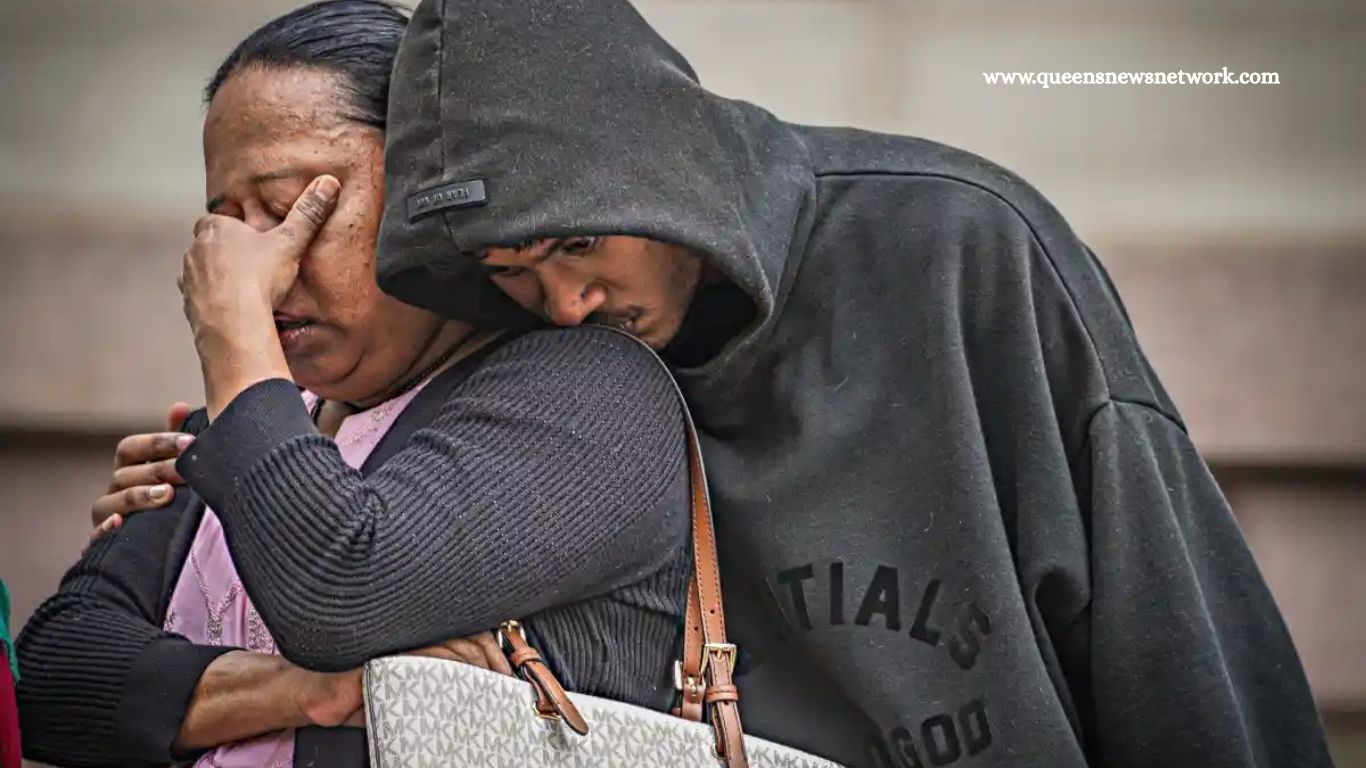
The family of 19-year-old Win Rozario, who was fatally shot by police officers during a mental health emergency in March 2024, has filed a federal lawsuit against the City of New York and the NYPD. The legal action was announced Monday and filed by the law firm Beldock, Levine & Hoffman LLP on behalf of Rozario’s mother, Notan Eva Costa, and his brother Utsho Rozario—both of whom witnessed the tragic shooting inside their Ozone Park home.
Tragic Events of March 27, 2024
On the morning of March 27, 2024, Win Rozario made a 911 call seeking help as he experienced a mental health crisis. Officers Salvatore Alongi and Matthew Cianfrocco from the 102nd Precinct responded to the call. What began as a plea for assistance escalated into a fatal encounter within minutes of their arrival.
According to police accounts, Rozario allegedly approached the officers with a pair of scissors, prompting them to first deploy tasers and then use deadly force. However, Rozario’s family strongly disputes this version of events, stating that officers failed to de-escalate the situation and ignored the cries of his mother, who pleaded for them not to shoot.
Read More: MTA Tests New Buses to Build a Greener Fleet
Allegations of Excessive Force and Mishandling
The family’s lawsuit outlines 16 separate claims, including excessive force, unlawful seizure, and violations of constitutional and civil rights. Their attorneys argue that the officers’ actions were not only unnecessary but also reckless and in direct contradiction to police protocols for handling mental health emergencies.
“It’s been over a year since Matthew Cianfrocco and Salvatore Alongi murdered Win, and nothing has happened—they still haven’t been fired, arrested, or prosecuted,” the Rozario family stated through their legal counsel. “They created a crisis and escalated at every turn, recklessly gunning Win down in our home in less than two minutes.”
Family Claims Mistreatment by NYPD
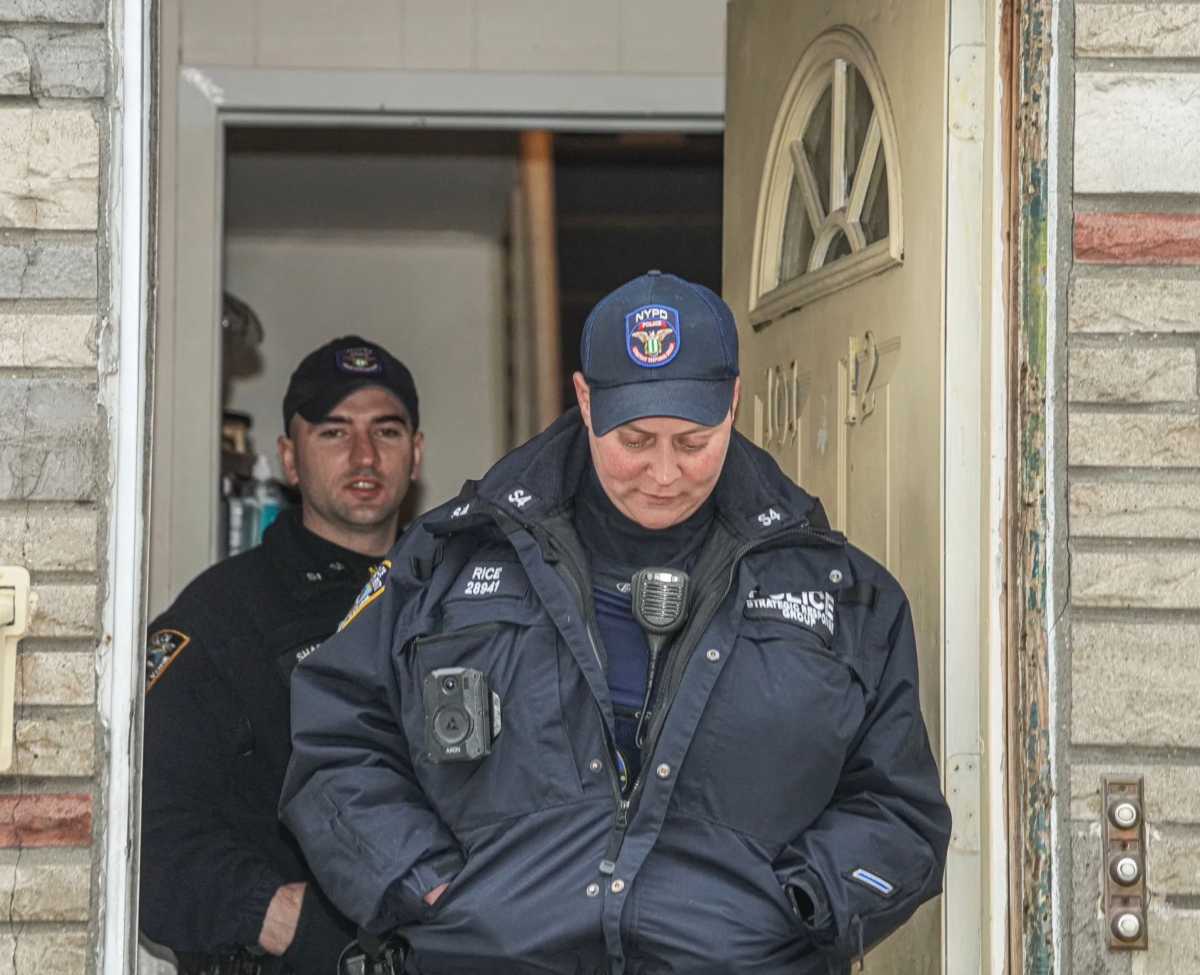
Adding to their trauma, Rozario’s mother and brother claim they were treated like criminals in the immediate aftermath of the shooting. Instead of being allowed to accompany Win to the hospital, they say they were taken to a precinct for questioning and denied access to their home for more than two days.
Attorney David B. Rankin emphasized the need for immediate accountability:
“The NYPD must fire Officers Salvatore Alongi and Matthew Cianfrocco. They killed Win and nearly shot his mother and brother, yet they’re still employed and earning close to $200,000 a year. In what other job can someone be responsible for a death, under investigation, and still be on payroll?”
Public Outcry and Community Response
Rozario’s death has fueled outrage and led to multiple protests throughout Queens. Community advocates and mental health reform organizations have used the case to highlight the broader issue of police involvement in mental health emergencies—often with fatal consequences.
Activists argue that Win Rozario’s case illustrates the urgent need for non-police crisis intervention teams trained to handle mental health episodes with care and compassion, not force.
NYPD’s Response and Ongoing Investigation
When reached for comment, an NYPD spokesperson said the department would review the lawsuit once officially served and confirmed that the Force Investigation Division is continuing its investigation into the incident. As of now, neither officer involved has been disciplined or removed from duty.
Frequently Asked Questions
Who was Win Rozario?
Win Rozario was a 19-year-old Queens resident who called 911 during a mental health crisis. He was fatally shot by NYPD officers in his home on March 27, 2024.
Why did Rozario call 911?
He called for help while experiencing a mental health emergency, expecting assistance—not a fatal confrontation.
Who filed the lawsuit against the NYPD?
The lawsuit was filed by Beldock, Levine & Hoffman LLP on behalf of Rozario’s mother, Notan Eva Costa, and his brother, Utsho Rozario.
What are the main allegations in the lawsuit?
The family is suing for excessive force, unconstitutional seizure, and violations of civil and human rights, among 16 total claims.
What do the officers claim happened?
According to NYPD reports, Rozario charged at them with scissors, prompting them to use a taser and then shoot him. The family disputes this account.
Have the officers faced any disciplinary actions?
As of now, Officers Alongi and Cianfrocco remain on duty. No arrests, firings, or official reprimands have been made public.
How has the public responded?
Rozario’s death has led to several community protests and renewed calls for police accountability and reform in how mental health crises are handled.
What is the status of the investigation?
The NYPD’s Force Investigation Division is reportedly still reviewing the incident, but no conclusions or actions have been announced.
Conclusion
The fatal shooting of Win Rozario is more than just a tragic incident—it underscores a systemic failure in how mental health emergencies are addressed by law enforcement. With a lawsuit now in motion, the Rozario family seeks justice, accountability, and policy change. The case raises critical questions about police training, oversight, and the role of armed officers in situations requiring psychological expertise and sensitivity.
As the legal process unfolds, New Yorkers—and communities across the country—will be watching closely to see whether meaningful reform follows yet another devastating loss.