

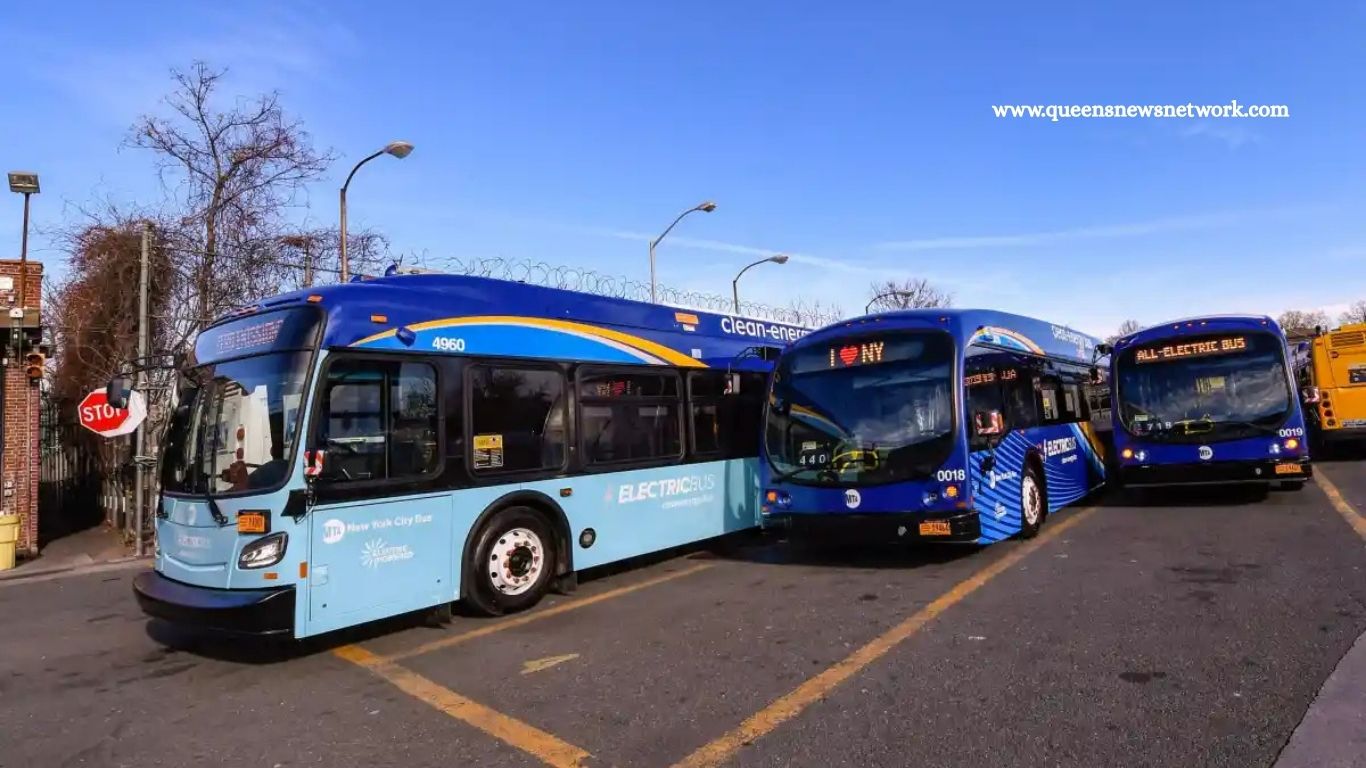
The MTA is testing four types of buses as part of its push toward a cleaner, more sustainable fleet. However, agency documents reveal early signs of reliability and performance issues with some models.
Currently in service from four production orders are the Articulated Clean Diesel, Express Clean Diesel, and both Articulated and Standard Battery Electric Buses (BEBs). These models are being considered for a future order of 2,504 buses under the MTA’s 2025–2029 capital plan. The transition to battery electric buses aligns with the MTA’s Zero Emissions Transition Plan mandate.
New buses will feature upgrades such as flip-up seats for added space, wider ramps for easier boarding, and improved accessibility for riders using mobility devices.
An independent engineering consultant (IEC) is monitoring 15 existing bus contracts. Six more contracts, currently in development, will also undergo IEC review once awarded.
Concerns arising from the testing
Several challenges have surfaced during the MTA’s evaluation of new electric buses. Battery life problems with 60 New Flyer BEBs may delay their entry into service. Testing shows the buses are falling short of the contract’s performance standards, and a change in battery supplier adds further uncertainty.
An independent engineering consultant warns this could impact the rollout of 205 BEBs scheduled for delivery starting October 2025.
Read More: Trump Confirms U.S. Strikes on 3 Iranian Nuclear Sites in Joint Israeli Air Offensive
The MTA also flagged that the pace of new bus deliveries is misaligned with its 12-year fleet replacement goal, potentially forcing older buses to remain in service longer and increasing maintenance costs.
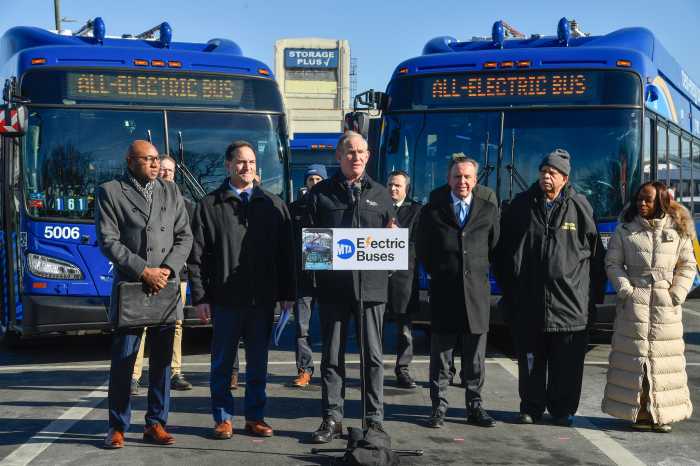
To support electric bus expansion, the MTA continues to upgrade charging infrastructure across depots. Officials are expected to address the bus evaluation progress during upcoming committee meetings in Manhattan.
Frequently Asked Questions
Why is the MTA evaluating new buses?
The MTA is testing new bus models to support its long-term goal of creating a cleaner, more sustainable, and zero-emissions fleet.
What types of buses is the MTA currently testing?
The MTA is evaluating Articulated Clean Diesel, Express Clean Diesel, and both Articulated and Standard Battery Electric Buses (BEBs).
Are there any issues with the new buses?
Yes, some electric buses are showing performance concerns, particularly related to battery life and reliability, which could delay their deployment.
How many new buses are planned in the future?
The MTA’s 2025–2029 capital plan includes the purchase of 2,504 new buses, many of which are currently being tested.
What is the Zero Emissions Transition Plan?
The MTA’s Zero Emissions Transition Plan is a mandate to replace its diesel fleet with battery electric buses to reduce emissions and improve air quality.
Will the new buses offer any passenger improvements?
Yes, features will include flip-up seats for more space, wider ramps for easier boarding, and improved accessibility for riders with mobility devices.
Who oversees the testing and evaluation of the buses?
An independent engineering consultant (IEC) is monitoring existing and upcoming bus contracts to ensure safety and performance standards are met.
What happens if the buses aren’t ready on time?
Delays may require the MTA to keep older buses in service longer, which could increase maintenance costs and impact service reliability.
Is the MTA upgrading infrastructure for electric buses?
Yes, the MTA is actively installing charging stations at various bus depots to support the growing fleet of electric buses.
When will the MTA provide updates on the bus evaluations?
The MTA is expected to discuss progress and issues related to the new buses during upcoming committee meetings at its Manhattan headquarters.
Conclusion
The MTA’s evaluation of new bus models marks a critical step toward achieving a cleaner, more environmentally responsible transit system. While early testing has revealed performance and reliability concerns—particularly with battery electric buses—the agency remains committed to transitioning to a zero-emissions fleet.
With infrastructure upgrades underway and a major order of new buses planned, the MTA is actively working to modernize its service while balancing environmental goals, operational demands, and rider needs. Continued oversight and transparency will be key as the agency navigates this pivotal transition.