
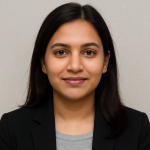
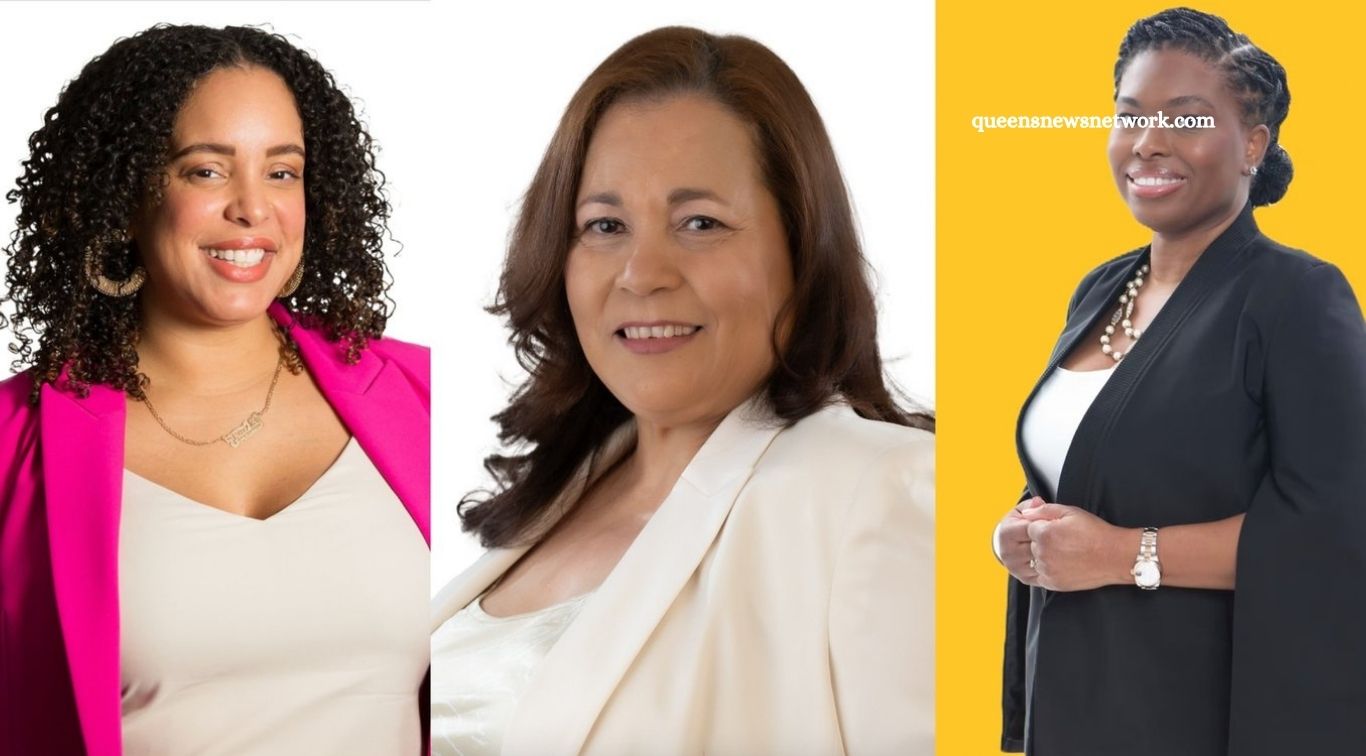
Three candidates have emerged as leading contenders in the District 21 City Council race, one of the city’s most diverse districts, covering parts of Corona, Elmhurst, and Jackson Heights. With no clear frontrunner, each of the top three has secured significant institutional backing and campaign funds.
Yanna Henriquez, Erycka Montoya, and Shanel Thomas-Henry have drawn endorsements from major political organizations, unions, and local officials. Unlike typical primaries, where institutional support often unites behind one candidate, endorsements in this race remain deeply divided.
Read More: How Van Wyck’s Two Sides Will Impact the District 28 Election Outcome
The Queens Democratic Party, still a powerful force despite recent weakening, backs Henriquez, a district leader active in the Dominican community. The Working Families Party (WFP), known for promoting progressive candidates in Queens, supports Montoya, a City Council staffer and first-generation Colombian-American.
Montoya has also gained support from Assemblymembers Jessica González-Rojas and Catalina Cruz, as well as nonprofit Make the Road New York. She said the WFP endorsement reflects her campaign’s values—expanding affordable housing, fixing transit, and delivering equitable services.
Thomas-Henry, a local organizer and former consultant, has outraised all candidates with nearly $214,000. She has received backing from the city’s largest municipal union, DC37, and retired Assemblymember Jeffrion Aubry. Though not the top pick for WFP or the Queens Dems, both encouraged members to rank her second in the city’s ranked-choice voting system.
David Aiken, the fourth candidate, has yet to gain similar momentum or institutional support.
The split endorsements reflect a competitive and unpredictable race. Henriquez emphasized her on-the-ground experience and deep community ties as key to her campaign’s strength. Montoya positioned herself as the progressive choice challenging the status quo. Thomas-Henry embraced her broad donor base and second-choice status, viewing it as a sign of cross-coalition appeal.
As voting nears, the outcome may hinge less on party loyalty and more on candidate visibility, grassroots outreach, and ranked-choice dynamics.
Male Candidates Struggle for Traction in District 21 Council Race
While the three women in the District 21 City Council race split major endorsements, male candidates face a different reality.
Two male contenders—Sandro Navarro and former Councilmember Hiram Monserrate—were removed from the ballot last month. Monserrate is appealing the decision in court, while Navarro lost the backing of State Senator Jessica Ramos, who has not issued a new endorsement.
The only male candidate still in the race, David Aiken, previously lost to Councilmember Francisco Moya in 2021. Despite qualifying for matching funds and raising $68,307, Aiken remains without major endorsements.
Still, Aiken remains confident. “I see myself in front,” he told the Eagle, noting his deep roots in the community.
Born and raised in the district, Aiken emphasized his long-standing relationships and prior wins as a Democratic state committee member. “The endorsements for others are from outside the district,” he said. “I’ve been elected here three times because people know my work and trust me.”
Money, Not Endorsements, Could Decide Tight District 21 Council Race
District 21 hasn’t seen a competitive City Council race in over a decade. Incumbent Francisco Moya, who has stayed silent on who should succeed him, easily won his 2021 race with 51% of first-choice votes. His closest challenger, social worker Ingrid Gomez, trailed far behind despite backing from Rep. Alexandria Ocasio-Cortez—who, like Moya, has yet to endorse this year.
In 2017, Moya soundly defeated former Councilmember Hiram Monserrate, a long-time rival now barred from holding office due to a past corruption conviction. A judge recently removed him from the District 21 ballot, citing a law Moya supported.
With no clear frontrunner and voting just weeks away, the field remains wide open.
“This will likely be a close, divided Democratic primary,” said Brian Browne, political analyst and professor at St. John’s University. He believes campaign funding—not endorsements—could tip the scales. “Institutional backing is helpful, but unless it drives turnout, money could be the real difference maker.”
All four remaining candidates—Yanna Henriquez, Erycka Montoya, Shanel Thomas-Henry, and David Aiken—have secured matching funds and maintain at least $60,000 in campaign cash.
Still, candidates view the fractured endorsements as a sign of momentum and voter interest.
“People are excited,” said Montoya. “They want to address real issues in the district.”
Thomas-Henry echoed the sentiment. “Endorsements are great, but it’s going to come down to what voters decide—and who works the hardest.”
Frequently Asked Questions
What is the District 21 City Council race about?
District 21 covers neighborhoods like Corona, Elmhurst, and parts of Jackson Heights in Queens. The 2025 City Council race is gaining attention due to the open seat and competitive field of candidates.
Who are the leading candidates in the District 21 race?
The top three contenders are Yanna Henriquez, Erycka Montoya, and Shanel Thomas-Henry, all of whom have secured major endorsements and campaign funding.
Are any male candidates still in the race?
Yes, David Aiken is the only male candidate still on the ballot after Sandro Navarro and Hiram Monserrate were removed. Aiken has no major endorsements but remains confident due to local name recognition.
Why were Navarro and Monserrate removed from the ballot?
Both were disqualified due to challenges to their petitions. Monserrate is currently appealing the court’s decision.
How is ranked-choice voting affecting the race?
With ranked-choice voting, voters can rank multiple candidates in order of preference. This system may benefit candidates like Thomas-Henry, who are being recommended as second-choice picks by multiple groups.
What role does campaign funding play in this race?
Campaign finance is a critical factor. All major candidates have qualified for public matching funds and raised over $60,000, but how they spend and mobilize supporters may determine the outcome.
Has outgoing Councilmember Francisco Moya endorsed anyone?
No, Moya has not endorsed a successor, keeping a low profile despite playing a major role in past races.
What makes this race different from previous years?
For the first time in over a decade, District 21 has a wide-open field with no incumbent running. The fragmented endorsements and high voter engagement suggest a close and unpredictable race.
Conclusion
The District 21 City Council race stands out as one of Queens’ most competitive and unpredictable elections in years. With endorsements split among top candidates Yanna Henriquez, Erycka Montoya, and Shanel Thomas-Henry, and David Aiken campaigning without major backing, the outcome remains wide open. Ranked-choice voting, grassroots organizing, and campaign funding will play pivotal roles in shaping the final result. As political heavyweights line up behind different contenders, one thing is clear: voters in District 21 will ultimately decide which vision best represents their community.