

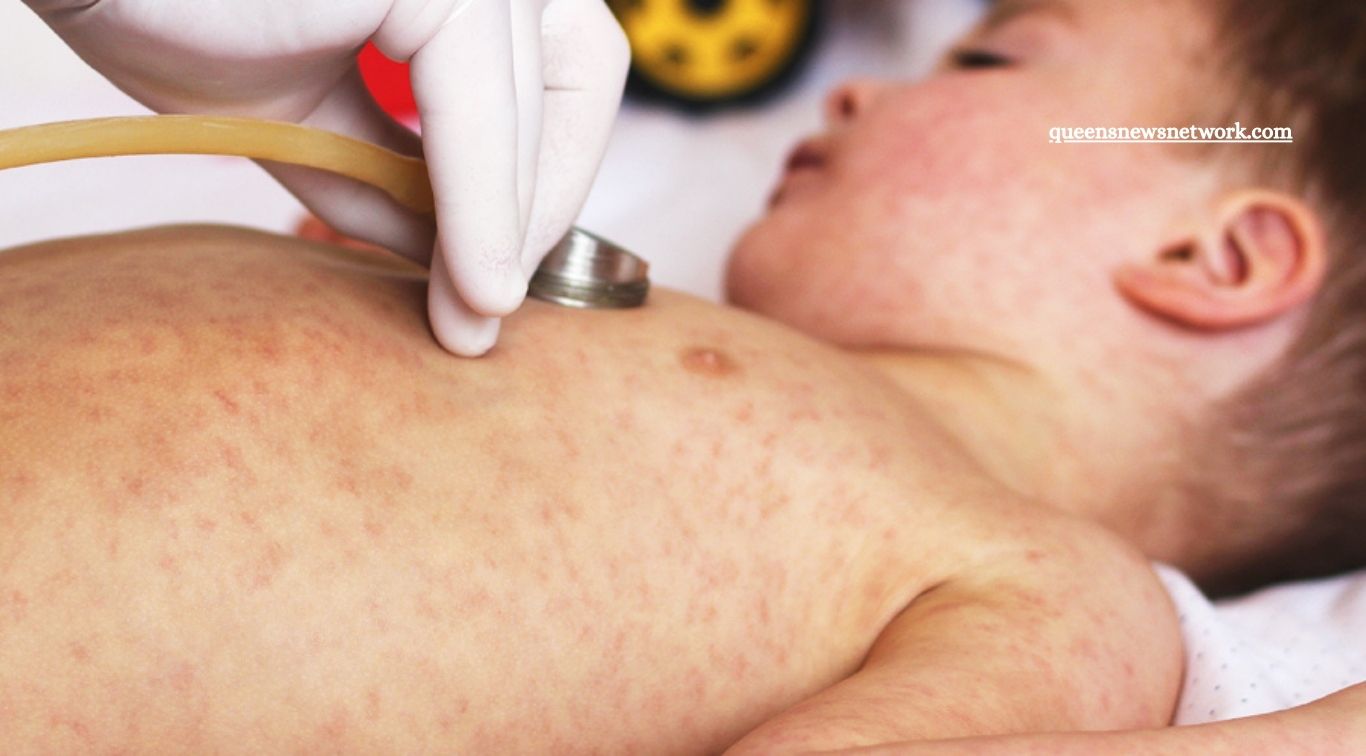
The Centers for Disease Control and Prevention (CDC) reports that measles cases in the U.S. have already surpassed previous yearly totals, marking 2025 as the worst year since the virus was declared eliminated in 2000. In response, health officials are urging parents to consult their healthcare providers about the measles, mumps, and rubella (MMR) vaccine. According to the CDC, the overwhelming majority of recent cases involve individuals who are unvaccinated.
“Measles is one of the most contagious viruses known,” says Dr. Lisa Saiman, an epidemiologist at NewYork-Presbyterian Morgan Stanley Children’s Hospital. “If 10 unvaccinated people are in a room and someone with measles enters, nine of them are likely to get infected.”
Who Is Most at Risk for Measles?
Measles poses the greatest threat to individuals who are unvaccinated, infants under 12 months old who are too young for the measles vaccine, and people with weakened immune systems. Those who are immunocompromised such as individuals with certain medical conditions or those who lost immunity due to illnesses like HIV—are especially vulnerable.
Read More: Should You Be Supplementing Electrolytes?
How Does Measles Spread?
Measles spreads easily through the air when an infected person coughs or sneezes. The virus lingers in the air as tiny airborne particles, which can remain suspended and infectious for up to two hours after the infected person has left the area. This makes measles highly contagious, especially in enclosed or poorly ventilated spaces.
What Are the Symptoms of Measles?
Measles typically begins as a respiratory infection before spreading throughout the body. Early symptoms include a high fever—often between 103°F and 105°F—along with a persistent cough, runny nose, and red, watery eyes. These symptoms usually last for two to four days before a distinctive rash appears.
The measles rash often begins at the hairline, then spreads to the face and gradually covers the entire body. Individuals with measles are contagious from four days before the rash develops to four days after it appears, making early detection and isolation critical for preventing further spread.
What to Do If You Suspect Measles
If you or your child shows symptoms of measles and may have been exposed, contact your healthcare provider immediately. Be sure to call before visiting the doctor’s office, urgent care, or emergency room. This helps prevent exposing others—especially infants who may not yet be vaccinated—to the virus.
What Are the Potential Complications of Measles?
Measles is often misunderstood as a mild illness, but it can lead to serious and even life-threatening complications—especially in vulnerable individuals.
Pneumonia is one of the most severe complications, affecting about 1 in 20 children with measles. Diarrhea is also common, occurring in roughly 1 in 10 cases, and can cause dangerous dehydration. Ear infections affect around 1 in 10 people and may result in permanent hearing loss.
How Is Measles Treated?
There is no specific antiviral or antibiotic treatment for measles. Most people with measles can recover at home with supportive care. This includes managing fever with over-the-counter medications like Tylenol (acetaminophen), staying well-hydrated, and using remedies to soothe a sore throat.
However, some individuals—especially young children, immunocompromised people, or those who develop complications—may need hospitalization. In severe cases, treatment may involve oxygen therapy for breathing difficulties caused by pneumonia or intravenous (IV) fluids to address dehydration from diarrhea.
Can Measles Be Deadly?
Yes, measles can be fatal—especially in young children and those with weakened immune systems. According to the CDC, one to three out of every 1,000 children infected with measles will die from severe complications, most often due to pneumonia, which is the leading cause of measles-related death in children.
In extremely rare cases, the virus can remain hidden in the brain and lead to a fatal condition called subacute sclerosing panencephalitis (SSPE). This progressive brain disorder can develop seven to ten years after a measles infection and causes seizures, loss of motor and cognitive function, and ultimately, death.
Can Adults Get Measles?
Yes unvaccinated adults are just as susceptible to measles as unvaccinated children. While outbreaks often focus on children, adults who were never vaccinated or never had measles as kids remain at risk of infection.
Measles tends to spread more quickly among children because vaccination gaps are more common in younger age groups. Many adults were vaccinated during childhood, but some are now choosing not to vaccinate their own children, which contributes to outbreaks and increases the risk of community transmission.
Is the Measles Vaccine Safe and Effective?
Yes—the measles vaccine is extremely safe and highly effective. Unlike the flu virus, which changes every year and requires an annual shot, the measles virus has remained the same. That means the same vaccine continues to offer strong, long-lasting protection.
After receiving two doses of the measles vaccine, a person is about 97% protected for life. This makes it one of the most effective vaccines available. The measles vaccine is usually given as part of the MMR (measles, mumps, and rubella) vaccine or the MMRV vaccine, which also includes protection against varicella (chickenpox).
What If You’re Not Sure You’ve Been Vaccinated Against Measles?
If you’re unsure about your measles vaccination status, you have two safe options. You can either receive one or two doses of the measles vaccine or get a blood test called the measles IgG antibody test. This test checks whether your body has protective antibodies against measles. A positive result means you’re immune and protected.
Is It Safe to Get Vaccinated Again?
Yes. There’s no harm in receiving an additional dose of the measles vaccine, even if you were already fully vaccinated as a child. Extra doses are safe and won’t cause any long-term health issues.
Are Health Workers Prepared to Recognize Measles?
Because measles was declared eliminated in the U.S. in 2000, many healthcare professionals—including doctors, nurses, and physician assistants—have never seen a case firsthand. To address this, infection prevention teams have provided extensive training, including lectures, visual guides showing the measles rash, and real-life symptom scenarios. During outbreaks, staff are constantly reminded to “THINK MEASLES” when evaluating patients with symptoms.
Should Travelers Worry About Measles?
Yes, especially when traveling internationally. Measles is still common in many parts of the world, including Europe, Asia, Africa, and the Middle East. If you’re planning an international trip, speak with your doctor well in advance—ideally at least one month before departure—to review your family’s vaccination records.
The CDC now recommends that infants between 6 and 11 months old receive one dose of the measles vaccine before international travel, even though this age group is not typically vaccinated. Ensuring everyone in your household is protected helps prevent measles from spreading across borders and back into the U.S.
Frequently Asked Questions
What is measles?
Measles is a highly contagious viral infection that starts in the lungs and spreads throughout the body. It typically causes a high fever, cough, runny nose, red eyes, and a distinctive rash.
How does measles spread?
Measles spreads through airborne droplets when an infected person coughs or sneezes. The virus can remain in the air and on surfaces for up to two hours, making it easy to contract in public spaces.
When is someone with measles contagious?
An infected person is contagious from four days before the rash appears to four days after it appears.
Can adults get measles?
Yes. Unvaccinated adults are still at risk, especially if they were never immunized or lack natural immunity.
Is the measles vaccine safe and effective?
Absolutely. The MMR (measles, mumps, rubella) vaccine is about 97% effective after two doses and offers lifelong protection. It is safe for both children and adults.
What should I do if I think I or my child has measles?
Call your doctor before going to a clinic, urgent care, or ER. This helps prevent spreading the virus to others, especially babies and immunocompromised individuals in waiting rooms.
Can measles be deadly?
Yes. Between 1 and 3 of every 1,000 children with measles die from respiratory or neurological complications. Rarely, the virus can cause a fatal brain disorder years later.
Should I get vaccinated before traveling?
Yes. Measles is still common in parts of Europe, Asia, Africa, and the Middle East. The CDC recommends infants 6–11 months old get one dose of MMR before international travel.
Conclusion
Measles is not just a childhood illness—it’s a serious, highly contagious virus that can lead to severe health complications and even death, especially in unvaccinated individuals. With cases on the rise in 2025, staying informed and protected is more important than ever.
Vaccination remains the most effective defense. The MMR vaccine is safe, highly effective, and offers lifelong protection. If you’re unsure about your vaccination status, speak with your healthcare provider about testing or receiving an additional dose.