

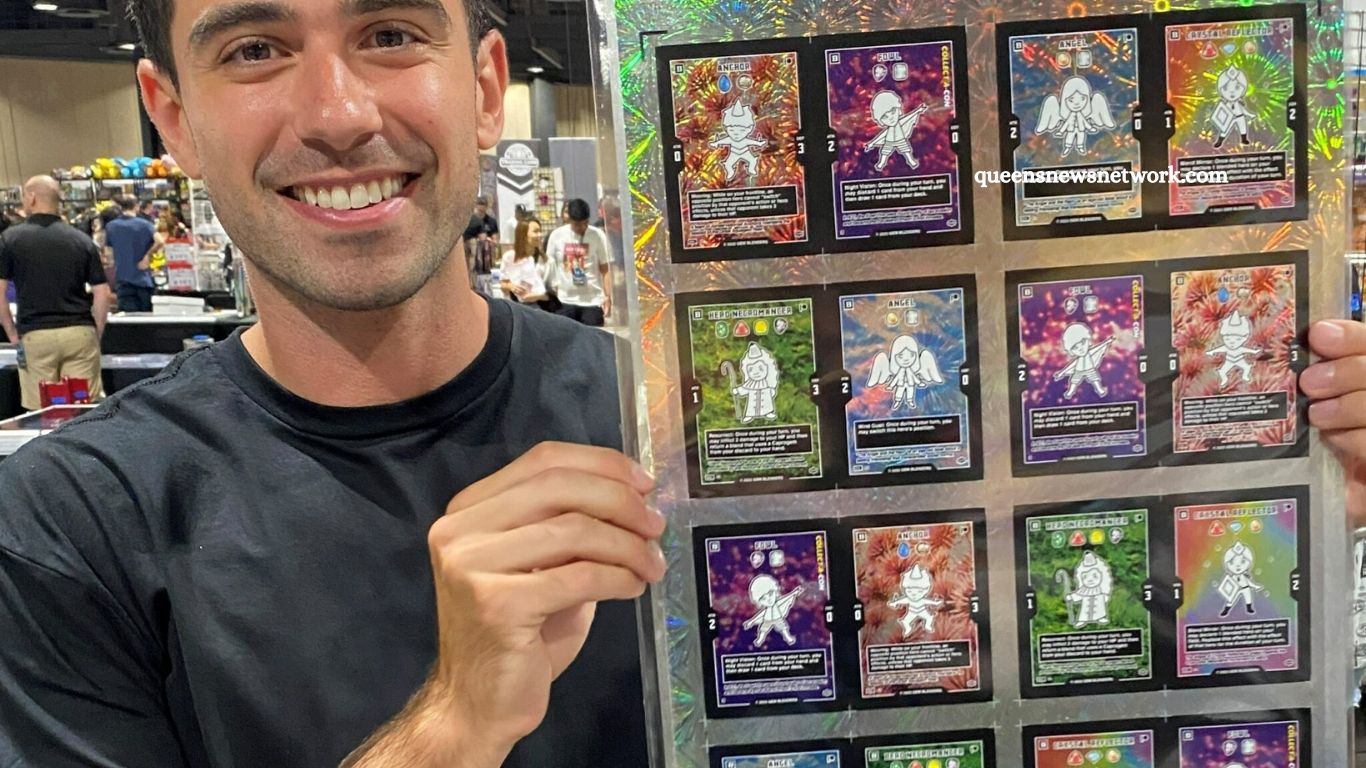
What began as a Childhood Dream on the back of business cards has grown into a fully realized trading card game with a dedicated community. Gem Blenders, the creation of artist and designer Steve Sekula, is quickly earning recognition in the indie tabletop gaming world thanks to its colorful heroes, original mechanics, and strong grassroots support.
From Childhood Hobby to Professional Vision
Growing up in Bucks County, Pennsylvania, Sekula was fascinated by trading card games. “I have designed trading cards since I was a kid just for fun,” he recalled. After studying art at Swarthmore College, he returned to his childhood passion with renewed focus. “I had always designed trading card games growing up and decided, let’s have a real shot at this.”
In 2019, he launched Gem Blenders on Kickstarter, where it found its first wave of supporters. Initially a quirky, lo-fi project inspired by classic RPGs, the game unfolded in the imaginative world of Gemlandia, where heroes channel elemental gems to unlock transformations called blends. What began as a small creative experiment steadily grew into something much larger.
“It definitely started as a passion project, almost like an art project,” Sekula explained.
Read More: Retro Fitness Forest Hills Launches New Pickleball Courts
Inspirations Behind the Game
Sekula’s love of trading card games fueled the game’s design. Influences came from giants of the genre—Magic: The Gathering, Pokémon, and Yu-Gi-Oh! “I liked playing and collecting trading card games. It kind of hits all the different points I like,” he said. Pokémon’s energy system and Yu-Gi-Oh!’s Elemental Heroes were especially inspiring.
“In Gem Blenders, you get all the gems plus the blend, and then you’ve got your thing,” Sekula explained. Unlike many TCGs, where characters are eliminated, Gem Blenders emphasizes building up the field to its strongest possible state. This focus on growth rather than destruction sets it apart in a crowded market.
Challenges of Indie Game Development
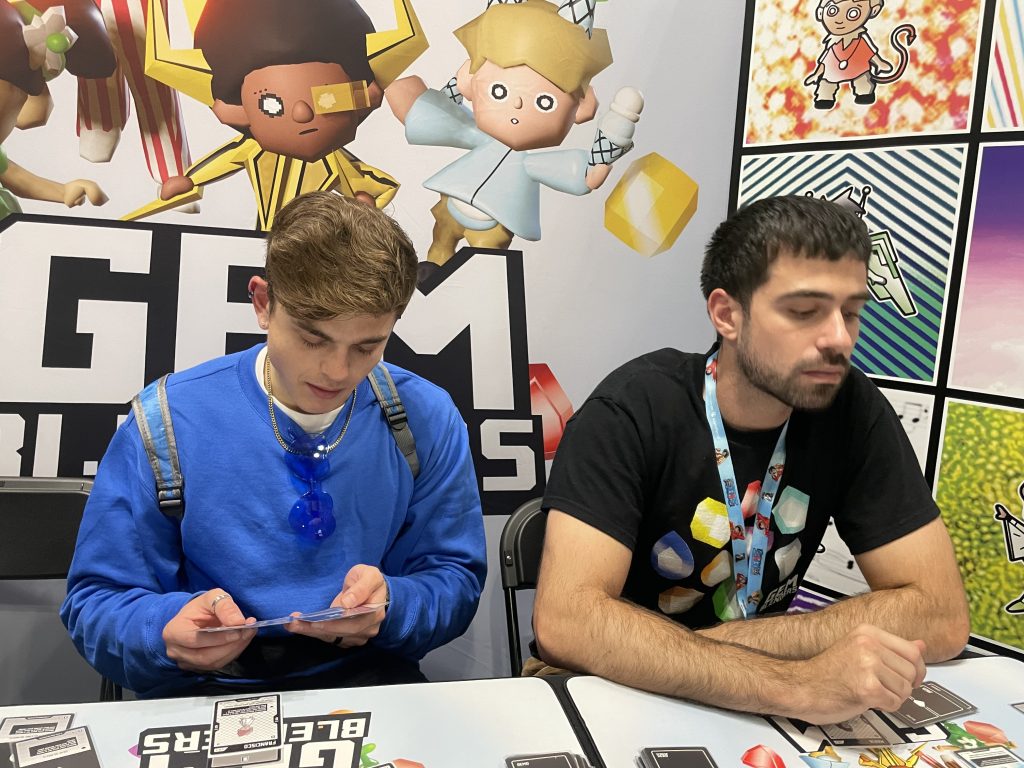
Breaking into the trading card game scene is no easy feat. Many players are deeply invested in existing franchises, and TCGs require both time and financial commitment. “It’s so hard to get people to play, because people have their games that they like,” Sekula admitted.
Beyond that, running an indie game studio meant Sekula wore many hats—designer, illustrator, marketer, and community builder. Despite the challenges, he persisted. “The original cards were black and white. Now the new ones are in color with polished backgrounds, making them feel like real products rather than prototypes.”
Today, he leads as creative director, collaborating with guest artists to expand the game’s visual identity while staying true to its roots.
Growing Through Community
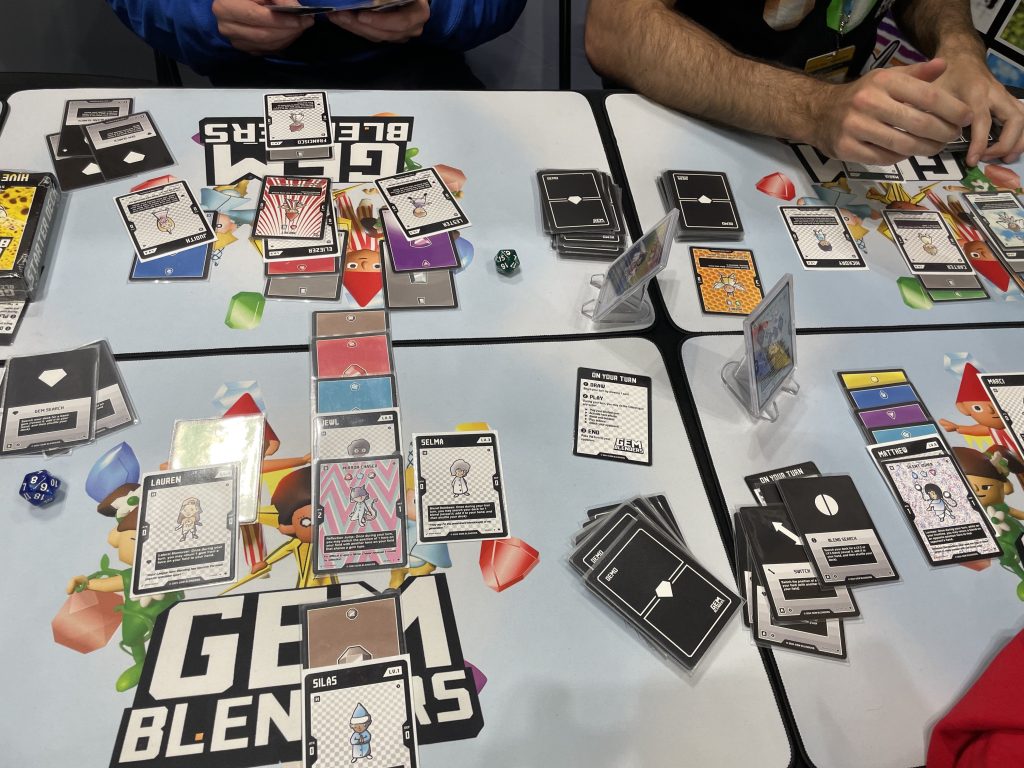
Operating out of New York City, the Gem Blenders team has leaned heavily on a grassroots strategy. Instead of focusing solely on mass online campaigns, they’ve prioritized local events, game store demos, and regional conventions.
“We’re doing local events, focusing on nearby conventions—from Philly to Boston,” Sekula said. Their organized play system uses a unique referee program—Gem Blenders’ take on certified judges—to maintain fair play.
Community growth extends online through a Discord server, where fans not only connect with each other but also directly with the game’s creators. “They can influence the game in their own way,” Sekula noted. This open dialogue has helped cultivate loyalty among both seasoned TCG players and complete newcomers.
Collector Appeal and Partnerships
Beyond casual and competitive play, Gem Blenders is also attracting collectors. Partnerships with major grading companies, including PSA, have boosted the game’s credibility in the collectible space. Starter decks and rare cards have become valuable additions to player and collector libraries alike.
The game’s audience is evenly split between newcomers experiencing their first trading card game and seasoned hobbyists. This dual appeal reflects the game’s balance of accessibility and depth.
Expansions, Lore, and the Future
Gem Blenders has already released new starter decks, including Gourmet Kitchen and Sticks Royale, both of which expand the game’s lore. Each deck comes with a themed zine, offering storytelling alongside gameplay mechanics.
“This is really our first expansion since the base set,” Sekula explained. A second full set is planned for late 2025, promising even more variety and strategy for players.
Meanwhile, organized play continues to grow. Events are hosted at New York shops like Bifrost Games in Manhattan and Sip & Play in Brooklyn, with expansion into Long Island and New Jersey. A Summer Invitational tournament is scheduled for June 22, further cementing Gem Blenders’ presence in the competitive scene.
Looking Toward 1,000 Players
Sekula’s short-term goals are clear: expand retail availability, strengthen organized play, and reach a community milestone of 1,000 active players. Long term, he envisions new ways to expand the intellectual property.
“I think a video game would be really cool,” he said. “I’d be open to expanding the world of Gem Blenders beyond the card game.”
For an indie project that started on the back of business cards, those ambitions are bold—but not out of reach.
Advice for Aspiring Creators
When asked what advice he’d give to other indie TCG developers, Sekula laughed: “Don’t do it. No, I’m kidding.”
He then offered more thoughtful guidance: “Make sure you have a core group of people working with you. Be prepared to do a lot of work. A TCG is a long-term investment—it takes a while to build and test the game.”
His own journey demonstrates the resilience and creativity required to stand out in a competitive space.
A Community-Driven Future
After nearly eight years of development, Gem Blenders is still in its early stages—but it already has a passionate following. “Our enthusiasm has spread, and people are now invested in it just because they have a passion for the game,” Sekula reflected.
At its core, Gem Blenders is more than just a trading card game. It’s a world powered by creativity, sustained by community, and built one blend at a time.
Frequently Asked Questions
What is Gem Blenders?
Gem Blenders is an indie trading card game created by artist and designer Steve Sekula. Players combine elemental gems with heroes to activate powerful transformations called blends.
Who created Gem Blenders?
The game was created by Steve Sekula, an artist and designer from Bucks County, Pennsylvania, who has been designing card games since childhood.
How is Gem Blenders different from other trading card games?
Unlike many TCGs, Gem Blenders emphasizes field building instead of eliminating opponents’ cards. The unique blend system allows for strategic combinations of gems and heroes, creating endless possibilities.
When was Gem Blenders launched?
The game launched in 2019 through a successful Kickstarter campaign, raising over $50,000 from its first backers.
Can I still buy Gem Blenders starter decks?
Yes. While the original starter decks are sold out, new themed decks like Gourmet Kitchen and Sticks Royale are available through gemblenders.com.
Where can I play Gem Blenders?
You can join demos and tournaments at local game shops in New York City, Philadelphia, Boston, and surrounding areas. There’s also an active online community on Discord.
Is Gem Blenders for collectors as well as players?
Absolutely. The game has partnered with major grading companies like PSA, making its cards collectible in addition to being fun to play.
Conclusion
Gem Blenders is more than a trading card game—it’s the realization of a childhood dream brought to life through creativity, persistence, and community support. From sketches on business cards to a thriving indie TCG with collectors, players, and organized events, the game continues to grow while staying true to its grassroots spirit. Steve Sekula’s vision proves that with passion and determination, even the most personal ideas can evolve into something that inspires others. As Gem Blenders heads toward new expansions, tournaments, and a broader audience, one thing is clear: this revolution in card gaming is only just beginning.