
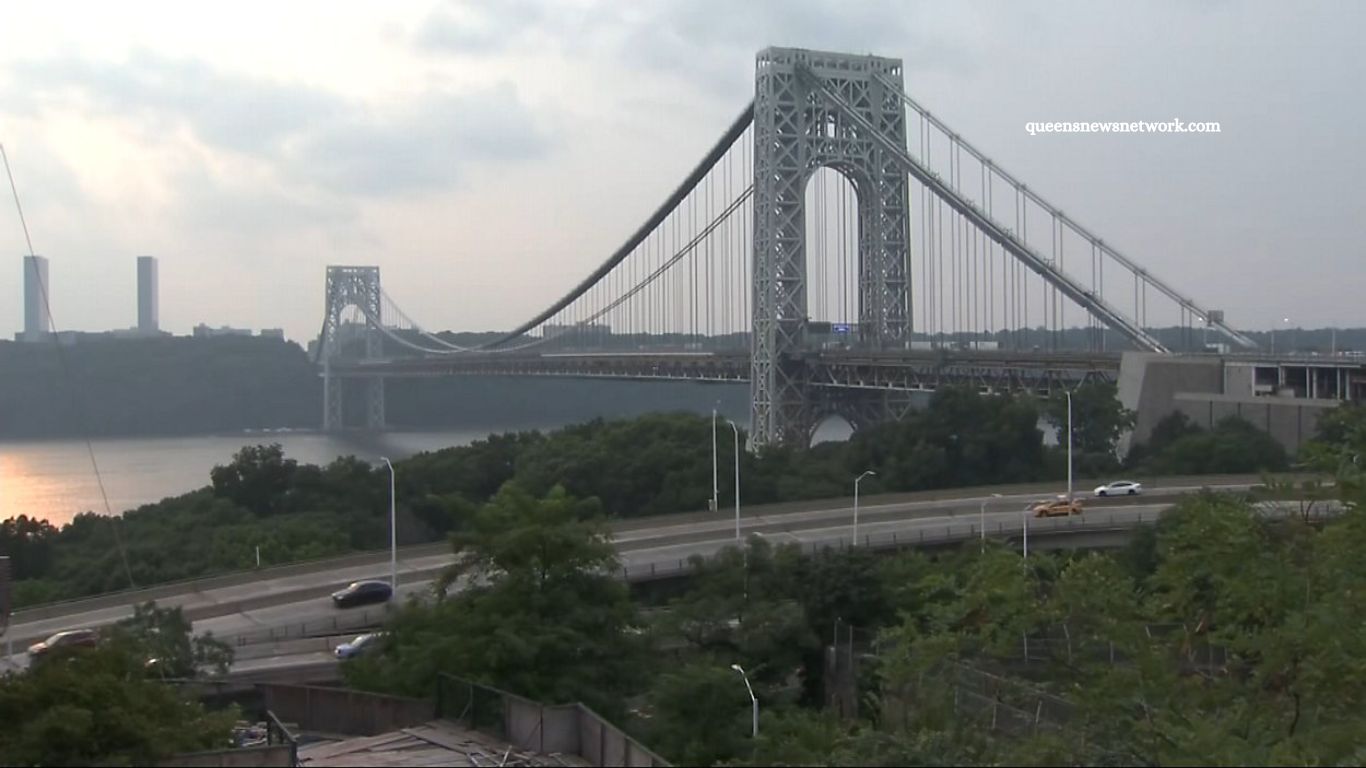
Washington Heights, perched in the northern part of Manhattan, is a neighborhood rich in history, culture, and scenic views. Known for its vibrant Latino community, lively streets, and strong sense of identity, it has long been a hub for families seeking both tradition and opportunity.
Today, Washington Heights faces a period of significant change, as gentrification, rising rents, and increased federal immigration enforcement shape the daily lives of residents. As New Yorkers prepare for a landmark mayoral election, local concerns from affordable housing to public safety have come into sharp focus. Residents and community leaders alike are seeking solutions that preserve the neighborhood’s heritage while addressing urgent challenges affecting families and long-term stability.
A Neighborhood in Transition
“It was so far north on the island, and people didn’t commute up here,” said Mariza Lizardo, executive director of the Northern Manhattan Improvement Corporation (NMIC). “But now people have discovered it.”
The area has seen increased interest from newcomers, prompting discussions about gentrification, housing affordability, and cultural preservation. Longtime residents express both pride in their neighborhood and concern about how these changes may impact their way of life.
Read More: Queens Bus Network Redesign Enters Second Phase
Election Spotlight: What Residents Want
As New Yorkers prepare for a historic mayoral election, NY1 visited Washington Heights to hear directly from residents about the issues most affecting their daily lives. Concerns ranged from education and public transportation to housing and public safety.
Yet one issue stood out above all others: the federal government’s heightened immigration enforcement.
Immigration Enforcement: A Source of Fear
“People are living in fear, losing their jobs, and avoiding workplaces,” explained State Assemblymember Manny De Los Santos. Many immigrant families feel uncertain about their future, particularly as federal policies target communities like Washington Heights.
NMIC has spent the last four decades supporting immigrant residents, providing guidance and legal assistance to those facing challenges under changing immigration rules.
Affordable Housing and Gentrification
Beyond immigration, affordable housing has emerged as a pressing concern. Lizardo highlighted the impact of gentrification on long-term residents:
“We are seeing gentrification play a role in the displacement of people,” she said. Rising rents and new developments threaten to push out families who have lived in the neighborhood for generations.
NMIC is actively helping residents navigate housing options, advocating for protections, and connecting families with resources to maintain stable living conditions.
Political Diversity in the Heights
Washington Heights is politically diverse, blending progressive and conservative viewpoints. De Los Santos emphasized this balance:
“There’s a combination of progressive and conservative perspectives here,” he said. Data from the CUNY Graduate Center shows that Washington Heights was among the few neighborhoods where President Donald Trump increased his vote share in 2024 compared to 2020, illustrating its nuanced political landscape.
Primary Election Results
During the June Democratic primary for mayor, Washington Heights voters demonstrated engagement and local political awareness. In De Los Santos’ district, Zohran Mamdani secured 58% of the vote after ranked-choice voting rounds, while Andrew Cuomo received 42%. These results underscore the community’s active participation in shaping the city’s leadership.
Frequently Asked Questions
What are the main concerns for residents of Washington Heights?
Residents are most concerned about federal immigration enforcement, rising rents, gentrification, access to affordable housing, schools, and public transportation.
How is immigration enforcement affecting the community?
Increased federal immigration crackdowns have created fear among residents, leading some to avoid work or public spaces. Local nonprofits like the Northern Manhattan Improvement Corporation provide support and guidance to affected families.
What role does affordable housing play in Washington Heights?
Affordable housing is a major issue due to gentrification, which displaces long-term residents. Organizations and local leaders are helping families navigate housing options and advocating for protections.
How politically diverse is Washington Heights?
Washington Heights has a mix of progressive and conservative voters. Data shows the neighborhood has experienced changes in political preferences over recent elections, highlighting its nuanced landscape.
Who are some local leaders working on these issues?
State Assemblymember Manny De Los Santos and Mariza Lizardo, executive director of the Northern Manhattan Improvement Corporation, are actively engaged in supporting residents on immigration and housing concerns.
How did Washington Heights vote in recent elections?
During the June Democratic primary for mayor, Zohran Mamdani received 58% of the vote in De Los Santos’ district, while Andrew Cuomo received 42%. The neighborhood also showed increased support for President Trump in 2024 compared to 2020.
How can residents get help with immigration or housing issues?
Residents can reach out to local nonprofits like the Northern Manhattan Improvement Corporation, which provides legal guidance, housing assistance, and resources to navigate immigration enforcement challenges.
Conclusion
Washington Heights stands at a pivotal moment, balancing its rich cultural heritage with the pressures of gentrification, housing challenges, and immigration enforcement. Residents are deeply invested in the future of their community, voicing concerns about safety, affordability, and access to resources. Local leaders and organizations, like Mariza Lizardo and the Northern Manhattan Improvement Corporation, play a critical role in guiding families through these challenges and advocating for policies that protect long-term residents.