

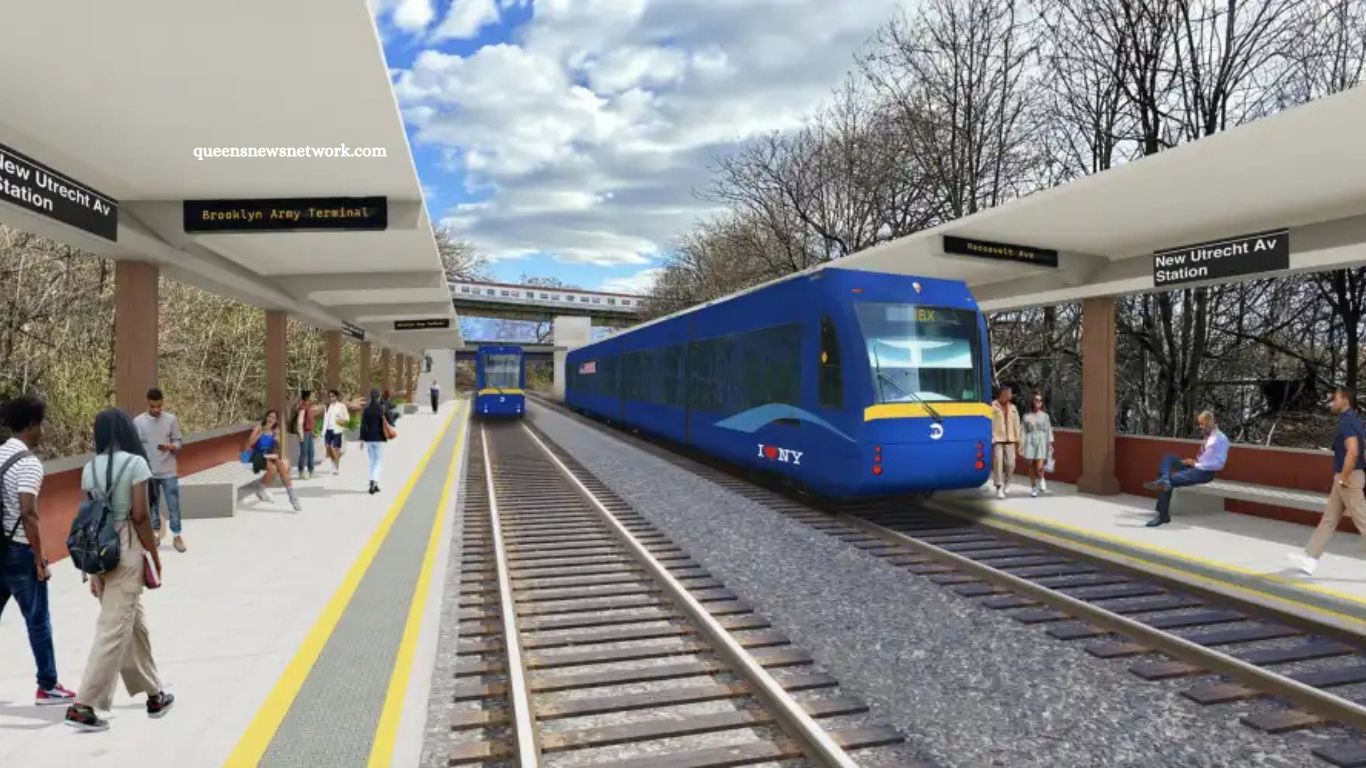
The highly anticipated Interborough Express (IBX), a new light rail connecting Brooklyn and Queens, is already drawing attention in NYC’s real estate market. While some neighborhoods along the planned 14-mile route may see property values rise, others could face changes to their character, say real estate experts and community leaders.
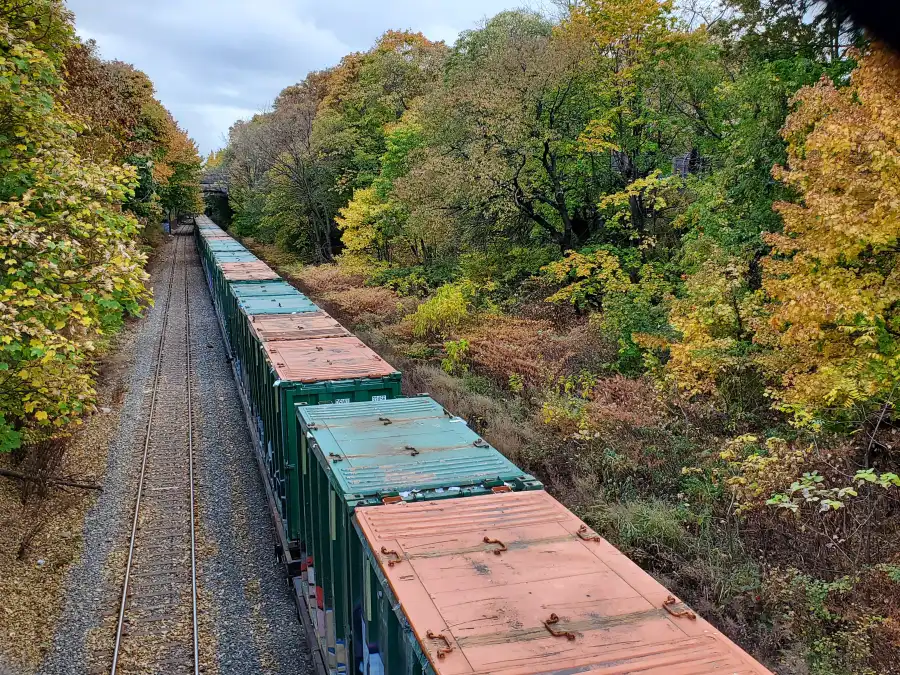
Using an existing freight line, the IBX aims to cut commute times and improve access for residents in transit-poor areas. Supporters of the $5.5 billion project, which entered the design phase on July 30, say it will boost economic growth and make local neighborhoods more appealing to businesses and homeowners.
Real estate professionals foresee significant benefits for communities along the route.
“I’ve seen how new transit projects breathe life into neighborhoods,” said Tonya Canady, a luxury real estate expert. “The IBX is years away, but its impact will be undeniable.”
Canady, who specializes in development and property management, predicts the line will create opportunities for residents, buyers, and the broader community.
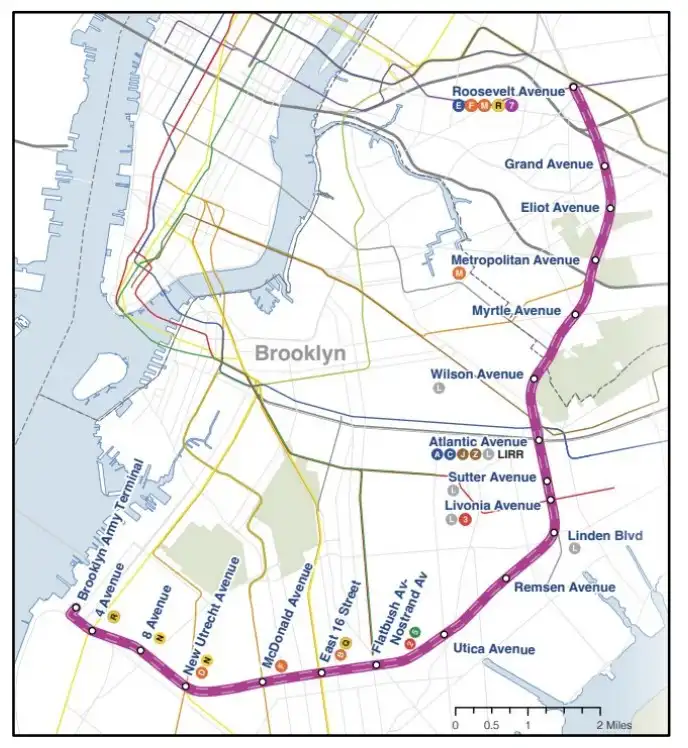
The IBX route, shaped like a reversed “C,” will connect southern and eastern Brooklyn to central Queens, passing through Sunset Park, Borough Park, Midwood, Flatbush, Brownsville, East New York, New Lots, Bushwick, Ridgewood, Middle Village, Maspeth, Elmhurst, and Jackson Heights.
Read More: Queens Violence: Two Men Fatally Shot
Each community along the IBX “has its own personality”
Real estate experts say the IBX will affect each neighborhood differently.
“Each community has its own personality,” said Tonya Canady. “The key is helping residents see opportunities and adjust to change. Some neighborhoods may need to adapt to a busier pace, which can bring new energy.”
For areas like Glendale, Maspeth, and Middle Village, historically limited in public transit access, the IBX could be transformative. However, some residents worry about disruptions in their suburban-style communities, including noise, crowds, and personal concerns near local cemeteries.
“My father is buried near those tracks, and they’ll disturb him and others,” said local resident Debbie Hippie.
Crowding is another concern. “It’s crowded enough already. We don’t need another station here,” a Glendale resident said.
Others, like Jason from Maspeth, welcome the new line. “It’s really convenient. It will cut my commute to the Brooklyn Army Terminal without going through Manhattan,” he said. Social media responses from Brooklyn residents also reflect enthusiasm for improved connections to Queens.
The MTA held public engagement meetings in 2022 and 2023, with more planned. Meanwhile, Queens City Council Member Robert Holden, whose district includes parts of the IBX route, criticized the project as “vague” and raised concerns about upzoning, which could allow taller, denser buildings in traditionally low-rise neighborhoods.
“Upzoning near stations could drastically change one- and two-family zones. That’s unacceptable,” Holden said. He added that while he initially welcomed discussions about the IBX due to growing congestion, he now sees more risks than benefits. “Our neighborhoods’ character and the simple joys of backyard sunlight are at stake,” he said.
“Quieter enclaves” like Middle Village or Borough Park might “feel the pinch”
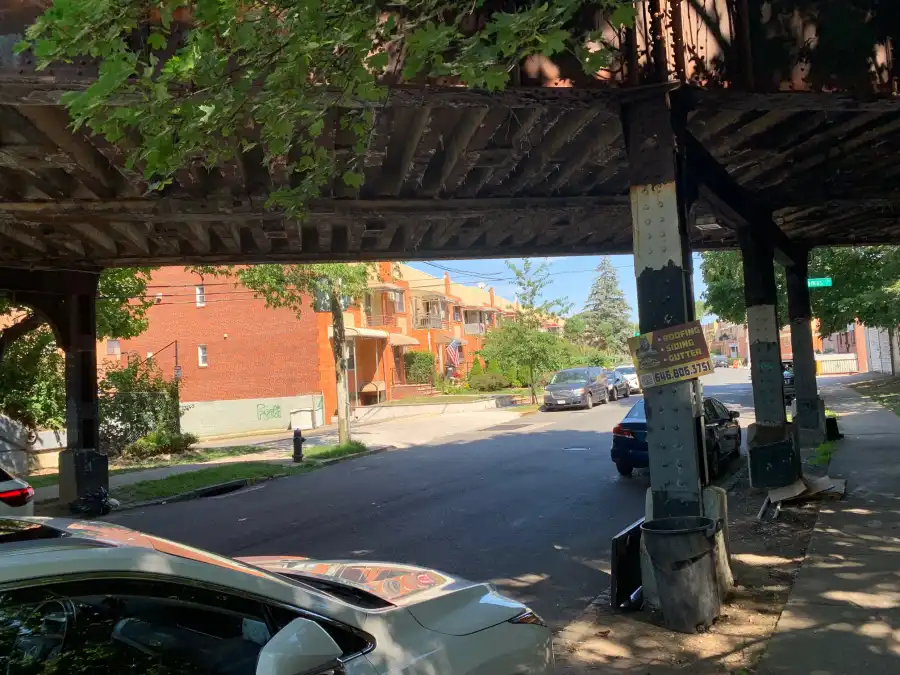
“Quieter enclaves” like Middle Village and Borough Park could face challenges as the IBX brings more crowds and noise, potentially deterring families, said Mariya Fuzaylova, a broker at ValueTruth Real Estate.
“While transit generally boosts property values, increased activity could erode suburban charm and influence family decisions,” Fuzaylova explained. She added that gentrification could also displace longtime residents as neighborhood dynamics shift.
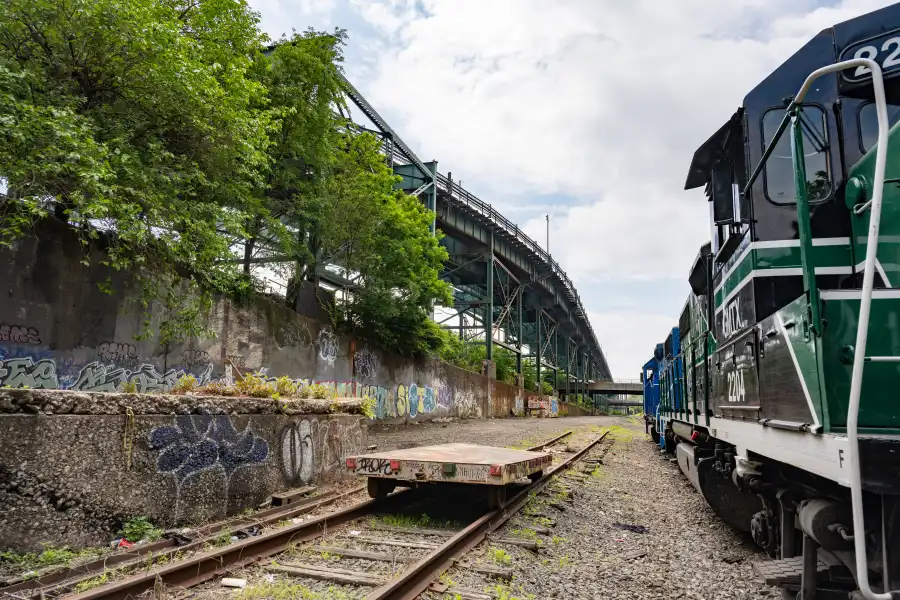
Built along an underutilized freight line, the IBX could also unlock tens of thousands of new homes through rezoning, helping address the city’s housing shortage.
“It could create 70,000+ new units, easing supply gaps in underserved areas and improving access to high-poverty neighborhoods,” Fuzaylova said. “Faster commutes can boost affordability if paired with mandates for lower-income housing.”
Jamie Torres-Springer, MTA president of construction and development, echoed the optimism: “IBX has the potential to better connect Brooklyn and Queens, transforming life for 900,000 nearby residents and 260,000 workers. We look forward to collaborating with communities as the design process progresses.”
Roosevelt Avenue, Brooklyn Army Terminal, other areas are expected to see big initial gains
Funding for the IBX was approved as part of the MTA’s $68.4 billion 2025–2029 capital plan, with strong support from Gov. Kathy Hochul. The line will connect 17 subway lines and the Long Island Rail Road, providing a transit option for residents commuting across Brooklyn and Queens. A full end-to-end trip bypassing Manhattan will take less than 40 minutes.
“The IBX will fundamentally reshape how people move between Brooklyn and Queens,” said Andrew Appell of SERHANT Real Estate. “It’s not just a transit upgrade—it’s connective tissue, creating new opportunities for living, working, and building life without relying on Manhattan.”
Todd Drowlette, managing director at TITAN Commercial Realty Group, noted the IBX could spur affordable housing development. “Developers are likely pre-planning mixed-use projects near stations, adding retail such as grocery stores and service businesses,” he said.
Neighborhoods near Roosevelt Avenue, Metropolitan Avenue, Atlantic Avenue, and the Brooklyn Army Terminal are expected to see the largest initial gains due to existing transit hubs. “Higher connectivity drives housing demand, which attracts retailers and services,” Drowlette explained.
Recent federal moves to expand low-income housing investments could further accelerate development. “The combination of high demand, limited transit, and increased federal support may create large-scale affordable housing projects—300 to 1,000 units—throughout Brooklyn and Queens,” Drowlette said.
Frequently Asked Questions
What is the Interborough Express (IBX)?
The IBX is a planned 14-mile light rail line connecting Brooklyn and Queens, using an existing freight rail corridor. It aims to reduce commute times, improve transit access, and connect neighborhoods underserved by subways.
When will the IBX be operational?
The project is in the design phase as of mid-2025. While an exact opening date hasn’t been confirmed, construction and full operation are expected several years from now.
How will the IBX impact property values?
Neighborhoods along the route may see rising property values due to improved accessibility and economic growth. Areas near major hubs, such as Roosevelt Avenue or the Brooklyn Army Terminal, are likely to see the biggest initial gains.
Could the IBX affect neighborhood character?
Yes. Quieter, suburban-style communities like Middle Village or Borough Park may experience increased noise, crowds, and gentrification pressures, which could influence who chooses to live there.
Will the IBX improve affordable housing options?
Experts suggest the IBX could unlock tens of thousands of new units through rezoning, potentially easing housing shortages in underserved areas and promoting mixed-use, affordable housing developments near stations.
How will the IBX connect to existing transit?
The line will link with 17 subway lines and the Long Island Rail Road, providing faster, more direct transit across Brooklyn and Queens without passing through Manhattan.
What concerns do local residents have?
Residents worry about noise, crowds, and potential disruptions to cemetery-adjacent areas. There are also concerns about upzoning and changes to neighborhood density that could alter the character of longtime communities.
Conclusion
The Interborough Express promises to transform transit across Brooklyn and Queens, offering faster commutes, stronger connectivity, and potential economic growth. While neighborhoods near major hubs stand to gain in property value and development opportunities, quieter communities may face challenges, including noise, crowds, and changes to their suburban character. Balancing these benefits and concerns will be crucial as the project progresses, making community engagement, thoughtful planning, and affordable housing initiatives essential. Ultimately, the IBX could redefine how residents live, work, and move across two of New York City’s most dynamic boroughs.