

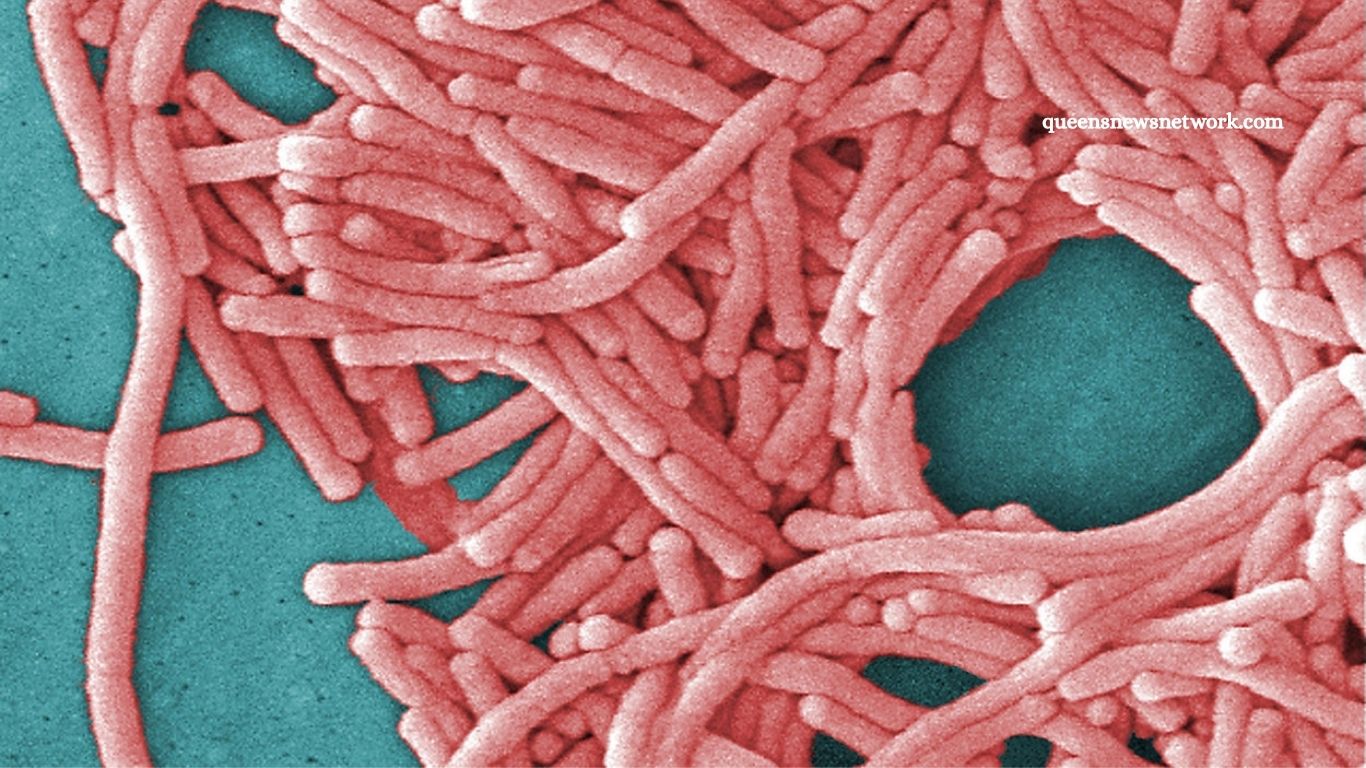
An outbreak of Legionnaires’ disease in Central Harlem has left one person dead and 30 others sick, according to the New York City Department of Health and Mental Hygiene. The agency is actively investigating the source of the infection and has launched a comprehensive response to protect public health.
Ongoing Investigation Into Legionella Bacteria Source
Health officials have confirmed that cooling tower systems in Central Harlem are being tested and sampled to determine the presence of Legionella bacteria, which cause Legionnaires’ disease. These systems, commonly used in large buildings for air conditioning, are frequent culprits in such outbreaks when not properly maintained.
The Health Department has already ordered immediate corrective actions where necessary. Building owners with positive test results are mandated to disinfect their systems within 24 hours.
“We are taking this situation very seriously and are working diligently to identify the source of exposure,” said a Department of Health spokesperson. “Our teams are conducting inspections and water sampling across multiple sites.”
Read More: City Council Approves Cohen’s Casino Project
Symptoms and Public Health Advisory
Legionnaires’ disease is a severe type of pneumonia caused by inhaling water vapor contaminated with Legionella bacteria. The illness is not spread from person to person. It typically presents flu-like symptoms such as:
- High fever
- Cough
- Shortness of breath
- Muscle aches
- Headache
The Department of Health is urging anyone who was in the affected areas of Harlem since late July and is experiencing these symptoms to seek immediate medical attention. Early diagnosis and antibiotic treatment can significantly improve outcomes.
Vulnerable Populations at Increased Risk
Although the general risk to the public remains low, certain populations are more vulnerable to infection. Older adults, smokers, and individuals with chronic lung conditions, compromised immune systems, or underlying illnesses face a higher likelihood of severe illness or complications.
Dr. Navarra Rodriguez, president and CEO of Advantage Care Physicians, emphasized the importance of vigilance among high-risk groups. “We know that patients over 50 years of age or those with chronic illnesses or immune suppression are more susceptible to severe infection,” she said. “These individuals should not ignore even mild symptoms.”
Five Harlem Zip Codes Under Watch
The Department of Health has identified five zip codes in Central Harlem where the cases have been concentrated. Officials have not publicly named the zip codes but are advising all residents and workers in the area to remain cautious and informed.
Community Response and Resident Concerns
Sarah Tinsley, a Harlem resident and senior citizen, expressed concern over the outbreak. “It felt like a sore throat at first. Nothing big,” she said. “But since I’m a bit cautious and live right here, I’ve started wearing a mask, especially when on public transportation.”
Like many seniors in the community, Tinsley says she’s prepared to act quickly if symptoms arise. “First thing is to call the doctor, get checked out, and stay safe,” she added.
Where Legionella Bacteria Thrive
Legionella bacteria flourish in warm, stagnant water. In addition to cooling towers, potential breeding grounds include:
- Hot tubs
- Decorative fountains
- Hot water tanks
- Humidifiers
- Plumbing systems in large buildings
People contract the disease by inhaling mist or vapor containing the bacteria. It does not spread through drinking water or direct contact.
Prevention Measures and Ongoing Monitoring
The Department of Health says it will continue to monitor water systems throughout Harlem to prevent further spread. Building owners and maintenance teams are being reminded to stay in compliance with city and state regulations, which require regular inspections and disinfection of water systems.
Public health officials are also working with local hospitals and clinics to increase awareness among healthcare providers and to ensure prompt diagnosis and treatment.
Importance of Timely Medical Attention
Dr. Rodriguez cautioned that delaying treatment can lead to serious health consequences. “Legionnaires’ disease can rapidly progress into a life-threatening form of pneumonia. If untreated, it may cause respiratory failure and even death,” she explained. “Prompt antibiotic treatment is critical.”
Residents experiencing persistent cough, high fever, or breathing difficulties—especially those with underlying health concerns—should not wait to seek help.
What You Can Do: Safety Tips for Residents
To reduce risk and stay informed, health experts recommend the following:
- Avoid standing near mist from fountains, air conditioning units, or construction sites.
- Be cautious when using hot tubs or spas unless they are well-maintained.
- Clean and disinfect home humidifiers regularly.
- Monitor personal health closely if you’ve recently been in the affected area.
The Department of Health has also established a dedicated hotline and website for concerned residents seeking information, testing locations, or updates.
Frequently Asked Questions
What is Legionnaires’ disease?
Legionnaires’ disease is a serious form of pneumonia caused by Legionella bacteria. It primarily spreads through inhaling mist or vapor contaminated with the bacteria, often from building water systems like cooling towers, showers, or hot tubs.
How many people are affected in the Harlem outbreak?
As of August 2, 2025, the NYC Department of Health has confirmed one death and 30 reported cases of Legionnaires’ disease in Central Harlem.
Where is the outbreak happening?
The outbreak is centered in Central Harlem, Manhattan, affecting five zip codes. The exact zip codes have not been publicly disclosed, but the Department of Health is actively monitoring the area.
What is the source of the outbreak?
The Health Department is currently testing water from all cooling tower systems in the affected area to identify the source of the Legionella bacteria. Investigations are ongoing.
Is Legionnaires’ disease contagious?
No. Legionnaires’ disease cannot be spread from person to person. It is contracted by inhaling water droplets contaminated with the bacteria.
How is the disease treated?
Legionnaires’ disease is treated with antibiotics. Most people recover with proper care, but early treatment is essential, especially for high-risk individuals.
Conclusion
The Legionnaires’ disease outbreak in Central Harlem has raised serious public health concerns, with one confirmed death and 30 reported illnesses. While the overall risk to most residents remains low, the situation underscores the importance of routine water system maintenance and public awareness. Health officials are acting swiftly to identify and neutralize the source of the outbreak, and medical professionals are urging anyone with flu-like symptoms—especially seniors and individuals with underlying health conditions—to seek immediate medical care.