

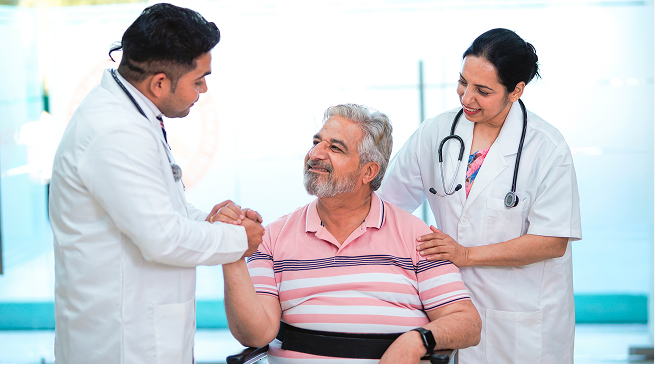
A stroke is a medical emergency that occurs when the blood supply to part of the brain is interrupted or when a blood vessel in the brain bursts. Without a steady supply of oxygen and nutrients, brain cells begin to die within minutes. Quick recognition of stroke symptoms and immediate medical attention can significantly improve recovery and reduce the risk of permanent disability.
Because stroke can affect people of all ages, understanding the warning signs is essential for everyone. Knowing what symptoms to watch for and how to respond quickly can make a life-saving difference.
What Is a Stroke?
A stroke occurs when blood flow to the brain is disrupted, preventing brain tissue from receiving oxygen. Depending on the cause, strokes are generally classified into two main types: ischemic stroke and hemorrhagic stroke.
Both types require urgent medical evaluation and treatment.
Types of Stroke
The main types include:
- Ischemic stroke: Caused by a blockage in a blood vessel supplying the brain.
- Hemorrhagic stroke: Caused by bleeding within or around the brain.
- Transient ischemic attack (TIA): Often called a “mini-stroke,” it causes temporary symptoms but serves as an important warning sign.
Every suspected stroke should be treated as an emergency.
Why Immediate Treatment Matters
Brain cells begin to suffer damage within minutes of reduced blood flow. Prompt treatment may help preserve brain function and improve recovery outcomes.
The Most Common Warning Signs of Stroke
Stroke symptoms usually appear suddenly. Recognizing these warning signs quickly is one of the most important steps in obtaining emergency medical care.
Symptoms may vary depending on the area of the brain affected.
Common Stroke Symptoms
Watch for sudden:
- Weakness or numbness on one side of the body
- Difficulty speaking or understanding speech
- Facial drooping
- Vision changes
- Loss of balance or coordination
- Severe headache without a known cause
These symptoms should never be ignored.
Symptoms May Come and Go
Even if symptoms improve within a few minutes, medical evaluation remains essential because temporary symptoms may indicate a transient ischemic attack.
Remember the FAST Warning Signs
One of the easiest ways to recognize a stroke is by using the FAST method.
This simple checklist helps people identify common symptoms and understand the urgency of seeking medical care.
FAST Explained
F – Face: Ask the person to smile. Does one side of the face droop?
A – Arms: Ask them to raise both arms. Does one arm drift downward?
S – Speech: Is speech slurred or difficult to understand?
T – Time: If any of these signs are present, it’s time to seek emergency medical care immediately.
Why FAST Is Effective
The FAST method focuses on symptoms that commonly occur during a stroke and encourages immediate action without waiting for symptoms to improve.
Who Is at Higher Risk of Stroke?
Although strokes can affect anyone, certain medical conditions and lifestyle factors increase the likelihood of experiencing one.
Understanding these risk factors may encourage preventive healthcare.
Common Risk Factors
These include:
- High blood pressure
- Diabetes
- High cholesterol
- Smoking
- Heart disease
- Obesity
- Physical inactivity
- Family history of stroke
Managing these risk factors can reduce stroke risk.
Age Is Not the Only Factor
While stroke is more common in older adults, younger individuals can also experience strokes, especially when additional risk factors are present.
What Should You Do If Someone Has Stroke Symptoms?
Every minute counts during a stroke. Delaying medical attention can increase the risk of permanent brain damage and disability.
Act immediately if stroke symptoms appear.
Immediate Steps to Take
- Call emergency medical services immediately.
- Note the time symptoms started.
- Keep the person calm and safe.
- Do not allow them to drive.
- Do not give food, drinks, or medication unless instructed by medical professionals.
Rapid transport to a hospital is essential.
In metro cities like Delhi, people experiencing sudden stroke symptoms should seek immediate care at an emergency hospital in Delhi where emergency evaluation, brain imaging, and specialized stroke treatment can begin without delay.
Avoid Waiting for Symptoms to Improve
Some stroke symptoms may temporarily disappear, but this does not mean the danger has passed. Prompt medical assessment remains necessary.
How Is Stroke Diagnosed?
Healthcare professionals perform several evaluations to determine whether a stroke has occurred and identify its cause.
Early diagnosis helps guide appropriate treatment.
Common Diagnostic Tests
Doctors may recommend:
- Physical and neurological examination
- CT scan
- MRI scan
- Blood tests
- Electrocardiogram (ECG)
- Blood vessel imaging
These tests help determine the type and severity of the stroke.
Importance of Rapid Diagnosis
Identifying whether the stroke is caused by a blocked or bleeding blood vessel helps healthcare providers choose the most appropriate treatment approach.
Can Stroke Be Prevented?
Although not every stroke can be prevented, many risk factors can be managed through healthy lifestyle choices and regular medical care.
Prevention begins with controlling conditions that affect blood vessel health.
Healthy Habits That Reduce Stroke Risk
These include:
- Controlling blood pressure
- Managing diabetes
- Maintaining healthy cholesterol levels
- Exercising regularly
- Eating a balanced diet
- Avoiding tobacco products
- Limiting alcohol intake
Small lifestyle improvements can significantly reduce long-term stroke risk.
Importance of Routine Health Checkups
Regular medical evaluations help identify high blood pressure, diabetes, and other risk factors before they contribute to serious complications.
Recovery After a Stroke
Recovery varies widely depending on the severity of the stroke, the area of the brain affected, and how quickly treatment begins.
Many individuals benefit from structured rehabilitation programs.
Rehabilitation May Include
- Physiotherapy
- Occupational therapy
- Speech therapy
- Nutritional counseling
- Psychological support
A multidisciplinary approach helps patients regain independence and improve quality of life.
Recovery Takes Time
Stroke recovery usually continues for months or longer. Consistent rehabilitation and family support play important roles in maximizing recovery potential.
Conclusion
Stroke is a life-threatening medical emergency that requires immediate recognition and prompt treatment. Sudden weakness, facial drooping, speech difficulties, vision changes, balance problems, and severe headaches should never be ignored. Using the FAST method can help identify stroke symptoms quickly and encourage immediate action.
Understanding risk factors, maintaining healthy lifestyle habits, and seeking urgent medical attention when symptoms occur can improve treatment outcomes and reduce the risk of permanent disability. Every minute matters when a stroke is suspected.
Frequently Asked Questions
1. What is the first warning sign of a stroke?
The first warning sign is usually sudden weakness or numbness on one side of the body, facial drooping, or difficulty speaking. Symptoms usually appear suddenly and require immediate medical evaluation.
2. What does FAST stand for in stroke recognition?
FAST stands for Face drooping, Arm weakness, Speech difficulty, and Time to call emergency medical services. It is a simple method for recognizing common stroke symptoms quickly.
3. Can stroke symptoms disappear on their own?
Yes. Temporary symptoms may occur during a transient ischemic attack (TIA), but they still require urgent medical attention because they can signal an increased risk of a future stroke.
4. Who has the highest risk of stroke?
People with high blood pressure, diabetes, heart disease, high cholesterol, obesity, smoking history, or a family history of stroke generally have a higher risk of experiencing a stroke.
5. Can strokes be prevented?
Many strokes can be prevented by controlling blood pressure, managing diabetes and cholesterol, exercising regularly, maintaining a healthy weight, avoiding tobacco, and attending routine medical checkups.
