

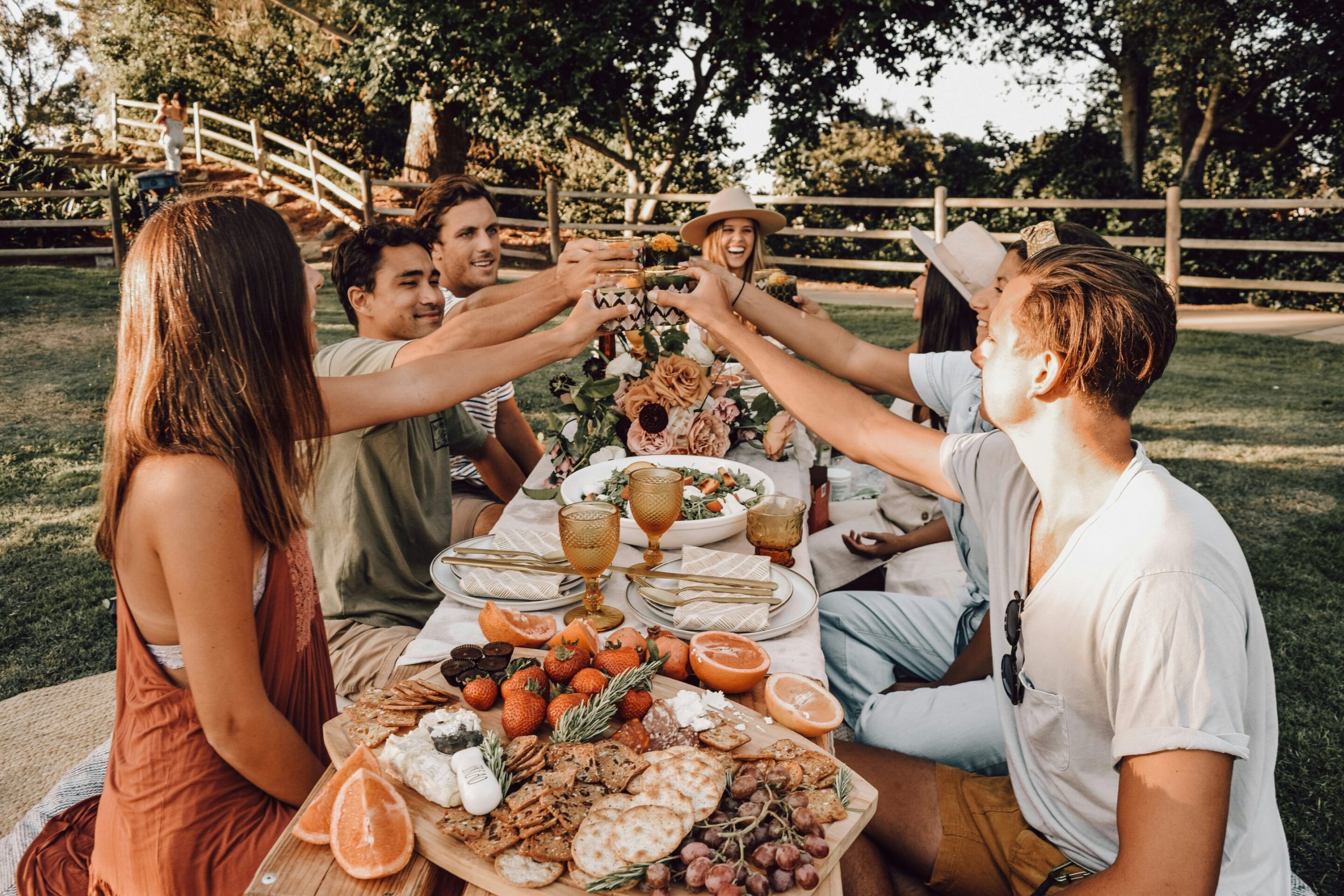
Local events are having a moment, and it’s not just nostalgia. After years of digital-first habits, many people are choosing experiences that feel tangible, low-pressure, and close to home. Even with constant online options – whether checking neighborhood updates, scrolling group chats, or following live action through a cricket live betting app – in-person gatherings deliver something screens can’t replicate: a sense of being known in a place, not just seen online.
This shift is showing up in packed farmers’ markets, busy library programs, crowded park meetups, and surprisingly strong turnout for small community screenings. The pattern is consistent. People are more willing to attend when events are easy to join, welcoming to newcomers, and designed for natural conversation instead of forced networking. The rise in attendance is less about “big production” and more about smart, human-centered design.
Why “Local” Feels Stronger in 2026
Thanks to digital life, people can easily get information without even getting up from their sofa. But on the other hand, digital life has made connection feeling more transactional. In fact, relationships rarely grow out of likes, replies, and short comments. Local events, however, give out a completely different vibe; this one is more relaxed and genuine as it is based on the shared streets, shared routines, and familiar landmarks.
Another driver is convenience. City schedules are tighter, and commutes can be draining. A nearby event that starts on time and ends on time is easier to commit to than a long trip across town. When the location is familiar, the mental load drops. That comfort matters for people who want community without performance.
There’s also a shift in what feels valuable. Being part of a neighborhood rhythm – a monthly market, a recurring volunteer day, a weekly run club – creates belonging in a way one-off online interactions rarely do. The social currency is changing from broadcasting to participating.
The Events People Actually Show Up For
Attendance usually goes up if the event can effectively answer the question, “What is going to happen there that will make it worth the time?” The most effective formats are straightforward, consistent, and revolve around common interests.
Micro-festivals are perhaps a perfect illustration. Street fairs, pop-ups, food nights, and seasonal markets function well as they allow people to move around and choose. People can come late, leave early, and still have the time of their lives. Such flexibility reduces the anxiety of making a commitment.
Meanwhile, skill-and-hobby gatherings are booming as well. Book Swaps, Board Game Nights, Craft Circles, Beginner-Friendly Fitness Meetups, and Maker Events are the types of events that draw people who want to find a reason to talk without having to go through the awkward small talk. The activity offers a framework. The conversation flows naturally.
Sports and culture nights are another attendance magnet. Community screenings, local talent showcases, and watch parties create shared emotion without needing formal introductions. The room reacts together. That shared reaction becomes a shortcut to connection.
The “Connection Formula” That Turns Interest Into Attendance
Outstanding community events know how to make people feel that joining them is such a natural thing to do. They highlight main points, thus, they quickly help newcomers to feel at home and lead the room in the kind of way that naturally encourages unforced talking. Frequently, the difference between a bustling gathering and an empty room depends on a handful of clever tricks that pretty much eliminate confusion and ensure that everything runs like clockwork.
High-attendance community events usually get these basics right
- Clear purpose: one sentence explains what it is and who it’s for
- Easy entry: no complicated sign-ups, confusing rules, or hidden costs
- Friendly flow: a simple start, a natural middle, and a clear end time
- Conversation cues: activities or prompts that help people talk naturally
- Visible roles: someone greets, someone guides, someone helps newcomers
- Comfort details: seating, water access, and a layout that avoids bottlenecks
- A next step: a way to stay in touch or return without pressure
Designing for conversation is especially important. A room full of chairs facing a single point can kill interaction. Small clusters, standing tables, and “shared tasks” like voting on a playlist or contributing to a community board create low-stakes reasons to speak to someone new.
How Organizers Build Momentum Without Big Budgets
Local participation increases when steadiness overtakes excitement. A repeated gathering that provides a dependable encounter fosters confidence, and confidence fosters participation. Numerous effective coordinators emphasize reduced showy promotion and increased collaborations and replicable frameworks.
Collaborations offer the quickest route to reliability. A coffee shop organizing a regular assembly, a library endorsing a literature exchange, or an educational institution providing a sports hall for a periodic bazaar delivers inherent crowd assurance. Neighborhood enterprises gain from visitor flow. The occasion gains from an authentic venue and a familiar foundation.
Advertising succeeds optimally when it appears personal. Posters in suitable locations, local online forums, minor area bulletins, and chat groups frequently surpass wide commercials since they connect with individuals who already value the region. A brief prompt the previous day commonly distinguishes between “seems pleasant” and “attended.”
Obstruction removers are important as well. Precise instructions, a contingency for inclement weather, and a simple method to verify information avoid abandonment. Individuals are more inclined to join when they avoid speculating on positioning, required items, or if the occasion will truly occur.
Making It a Habit, Not a One-Off
The largest surge in local participation arises when gatherings integrate into a pattern. This demands subsequent communication that seems inviting, not promotional. A basic “appreciate your presence” update, a picture summary, or a concise message emphasizing the upcoming occasion assists individuals in revisiting without restarting commitment.
Fresh arrivals require particular attention. The majority of individuals determine if a group suits them within the initial five minutes. A warm welcome, obvious indicators, and a brief instance of guidance can revolutionize the encounter. When a person senses acknowledgment without isolation, the gathering turns into a secure spot for revisiting.
Assessing achievement is uncomplicated. Recurrent participation is more significant than exaggerated reservation figures. If individuals return and introduce a companion, the gathering is functioning. If novices remain throughout the entire meeting and depart content, the arrangement is fulfilling its role.
Local participation is increasing once more because the finest group gatherings supply what contemporary existence frequently misses – simple inclusion, collective instances, and linkage that avoids a polished identity. When coordinators prioritize transparency, ease, and dialogue-supportive progression, the attendance emerges organically.
