

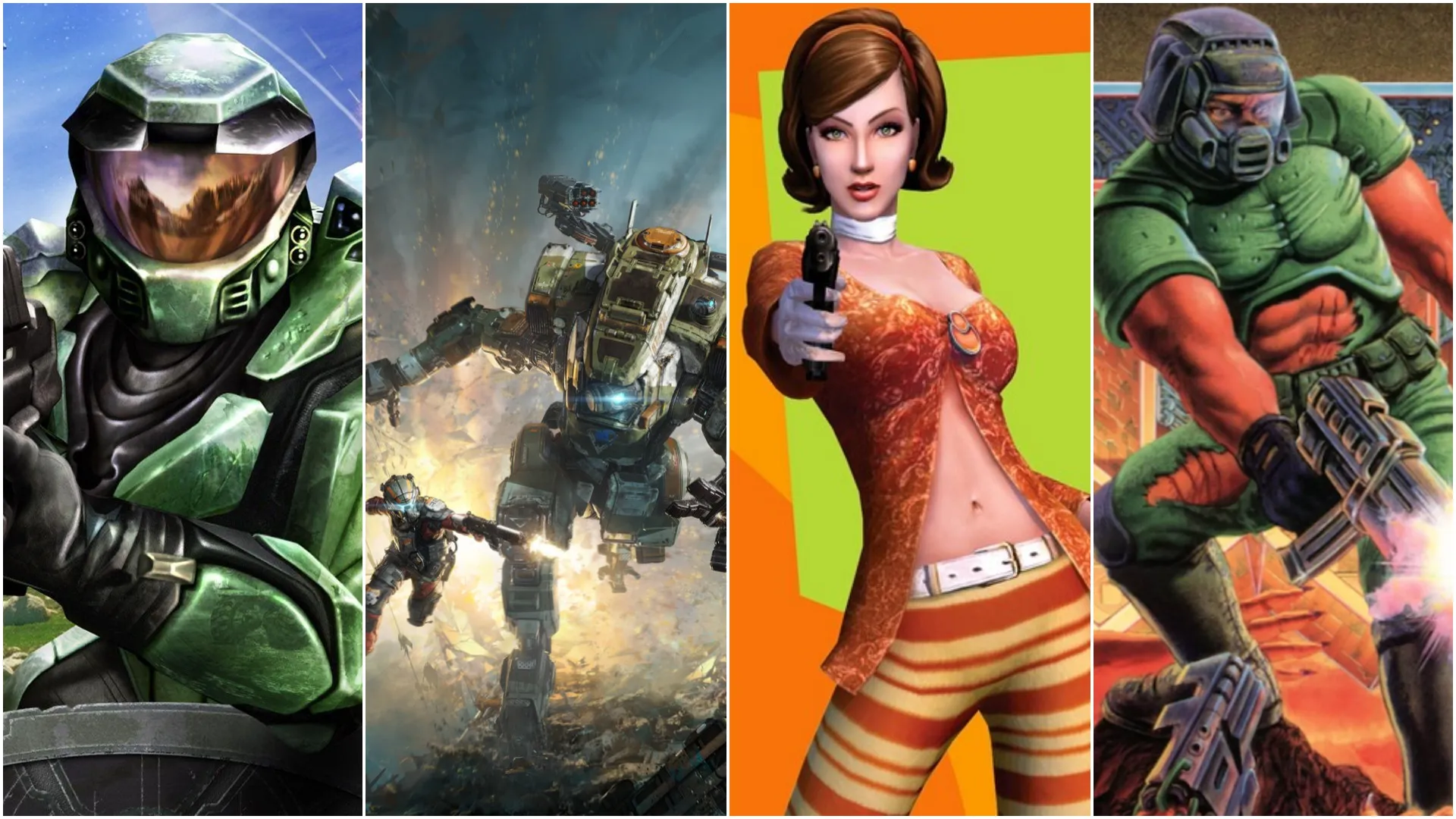
The Rise of Multiplayer Gun Games
Over the past decade, multiplayer gun games have become a staple of online gaming culture. Titles like Call of Duty, Counter-Strike, and Fortnite have turned casual players into competitive enthusiasts, all drawn by the thrill of fast-paced action and strategic gameplay. The appeal lies in more than just shooting mechanics; it’s the combination of skill, strategy, and social interaction that keeps players coming back. Whether you’re dodging bullets in a team-based match or climbing the leaderboard in solo mode, the adrenaline rush is undeniable. Multiplayer gun games also cater to different skill levels, making them accessible to beginners while still challenging veteran players.
The rise of streaming platforms has amplified the popularity of these games. Watching skilled gamers navigate maps, outsmart opponents, and execute flawless headshots can inspire viewers to join in themselves. These games aren’t just about shooting; they are about timing, precision, and the ability to adapt to dynamic situations. Developers continue to innovate, introducing new weapons, maps, and mechanics to keep the experience fresh, which further fuels the addictive nature of competitive play.
The Psychology Behind Competitive Play
The addictive nature of multiplayer Gun Games is heavily rooted in psychology. Games are designed to trigger reward systems in the brain, creating a cycle of engagement and achievement. Each kill, victory, or level-up releases dopamine, giving players a sense of satisfaction and accomplishment. The competitive element intensifies this effect, as players constantly seek to improve their ranking and outperform others. Multiplayer gun games also foster a sense of identity and mastery. Players often specialize in certain weapons or roles, which contributes to their personal growth within the game.
Another psychological factor is the social element. Many games feature squads or teams where cooperation is crucial. Building trust, coordinating strategies, and celebrating victories together can enhance the gaming experience, making it more immersive and rewarding. Players often form lasting friendships through these communities, further increasing their commitment to the game. In essence, the combination of personal achievement, social interaction, and continuous challenges makes competitive play irresistible.
Skill Development Through Gun Games
Multiplayer gun games are more than just entertainment; they can improve a variety of skills. Strategic thinking, hand-eye coordination, and quick decision-making are all honed during gameplay. Each match requires players to assess their environment, anticipate enemy movements, and make split-second decisions. These skills are transferable to real-world scenarios, demonstrating that competitive gaming has cognitive benefits beyond recreation. Players also develop adaptability and resilience, as losses and mistakes are an inherent part of the learning process.
Moreover, many games encourage teamwork and communication. Players must coordinate attacks, provide support, and share resources to succeed. These elements help improve collaboration skills and leadership abilities, making multiplayer gun games a subtle yet effective training ground for practical skills. With constant updates and new content, players are challenged to keep learning, maintaining a cycle of growth and engagement that enhances both enjoyment and personal development.
The Role of Technology in Enhancing the Experience
Technology has played a significant role in the popularity of multiplayer gun games. Advanced graphics engines, realistic physics, and immersive audio create an environment that feels lifelike and engaging. High-speed servers and low-latency connections ensure smooth gameplay, allowing players to react instantly to in-game situations. This level of realism enhances immersion and makes competitive play even more compelling. Additionally, innovations such as virtual reality (VR) and augmented reality (AR) are beginning to transform the way players experience these games, adding a new dimension of excitement and challenge.
Online platforms and matchmaking systems are also critical in maintaining player engagement. Sophisticated algorithms pair players of similar skill levels, ensuring balanced and competitive matches. Leaderboards, achievements, and seasonal events further motivate players to stay active. By integrating cutting-edge technology, developers have created an ecosystem where multiplayer gun games are not only entertaining but also deeply engaging and rewarding. This technological sophistication contributes significantly to the addictive nature of competitive gameplay.
Community and Culture Surrounding Gun Games
The communities formed around multiplayer gun games are a major factor in their enduring popularity. Online forums, social media groups, and streaming platforms allow players to connect, share tips, and celebrate achievements. Competitive tournaments, both amateur and professional, provide additional opportunities for engagement, creating a culture that values skill, strategy, and dedication. This community aspect gives players a sense of belonging and motivates them to continue improving their abilities.
Culture also plays a role in shaping the experience of multiplayer gun games. From fan art and memes to cosplay and merchandise, the influence of these games extends far beyond the screen. This cultural presence fosters loyalty and identity, as players feel part of something larger than themselves. The shared language, experiences, and excitement within these communities make multiplayer gun games more than just a pastime—they become a lifestyle. For many, the combination of competition, skill development, and community interaction is what makes these games irresistibly addictive.
Conclusion
Multiplayer gun games offer more than just fast-paced action—they provide a complex blend of psychological rewards, skill development, technological immersion, and social interaction. The addictive nature of competitive play comes from a perfect mix of personal achievement, strategic challenges, and community engagement. As technology continues to evolve and game developers innovate, the appeal of these games will only grow stronger. For anyone seeking excitement, challenge, and connection, multiplayer gun games deliver an experience that is as engaging as it is rewarding.
