

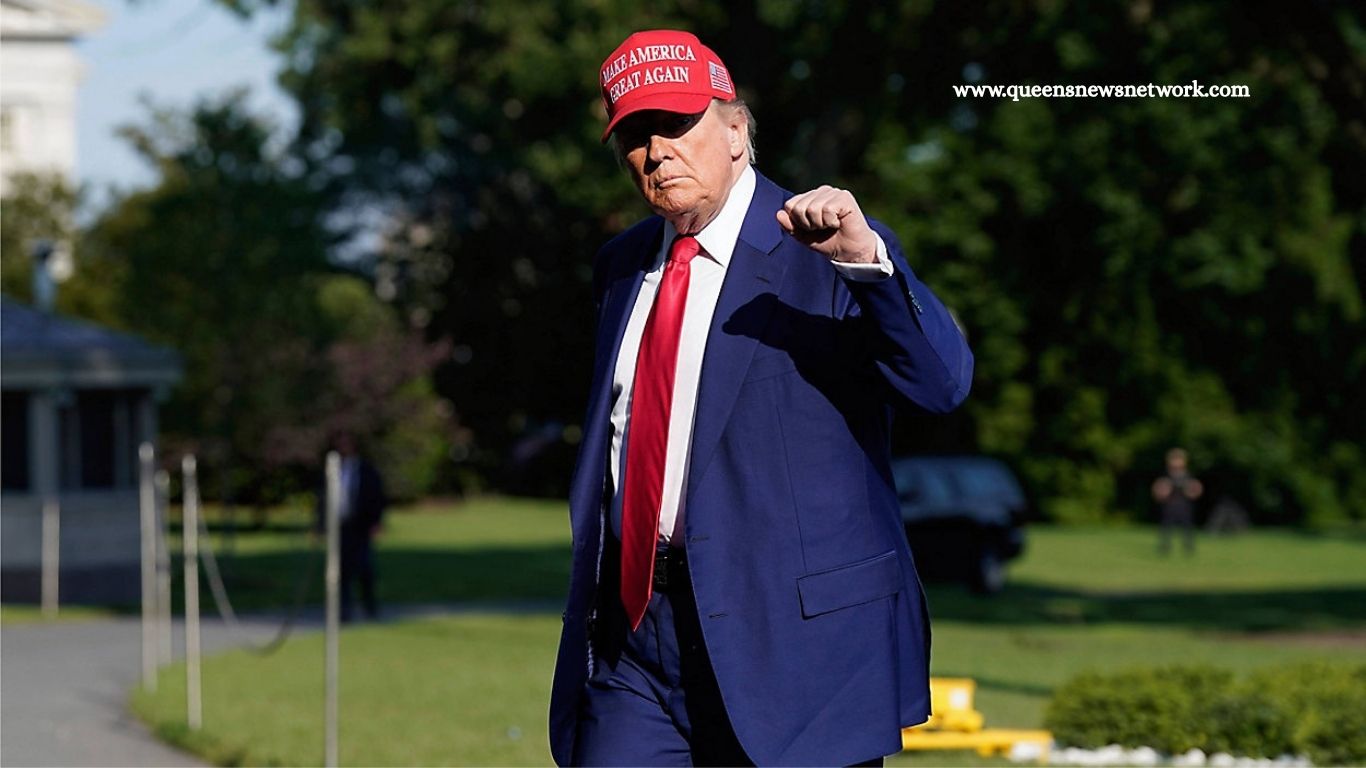
President Trump confirms U.S. strikes targeting three Iranian nuclear sites—Fordo, Natanz, Isfahan—joining Israeli efforts dismantling Iran’s nuclear infrastructure. B-2 stealth bombers delivered powerful payloads, signaling a sharp escalation in regional tensions. The operation aims crippling Iran’s capabilities, marking unprecedented U.S.-Israel military collaboration.
Trump calls the mission a “historic moment,” urging Iran surrender nuclear ambitions. Iran, silent officially, faces growing pressure following repeated warnings. This bold move shifts U.S. foreign policy, reinforcing commitments preventing Iranian nuclear advancement. With strategic precision, American forces struck deeply buried targets, showcasing advanced military strength while risking broader Middle East conflict through direct confrontation.
Strategic Strike on Iran’s Nuclear Infrastructure
The U.S. operation comes after more than a week of Israeli-led airstrikes aimed at degrading Iran’s nuclear capabilities and dismantling its air defense systems. According to Trump, the U.S. used B-2 stealth bombers to deliver a full payload of bombs—reportedly including the GBU-57 Massive Ordnance Penetrator—on the heavily fortified Fordo nuclear site. The operation marks the potential first combat use of this 30,000-pound bunker-busting bomb.
“All planes are now outside of Iran airspace,” Trump said in a social media post, adding that the attack was “very successful.” He later described the moment as “historic” for the U.S., Israel, and the world, calling on Iran to end the war.
Read More: Backing Battery Energy Storage Systems in New York City
Israel’s Role and America’s Calculated Entry
Israel initiated the offensive with a series of targeted airstrikes aimed at dismantling Iran’s missile systems and weakening its nuclear infrastructure. Despite initial reluctance, the Trump administration chose to intervene directly, a move that followed weeks of intelligence assessments and diplomatic efforts to deter Iran through non-military means.
U.S. and Israeli officials emphasized that only American stealth bombers could deliver the bunker-busting weapons capable of reaching the underground nuclear facilities buried deep beneath Iran’s surface. Israeli appeals to Washington were reportedly driven by the need to destroy the Fordo site—one of the most fortified components of Iran’s nuclear program.
Iran’s Silent Response and Heightened Risk of War
As of early Sunday, Iran had yet to issue an official acknowledgment of the strikes. However, the state-run IRNA news agency reported attacks on the Fordo, Isfahan, and Natanz nuclear sites without offering further details. Iran’s silence may be strategic, as the country evaluates its next move in a conflict that could spiral into regional warfare.
Iranian leaders have issued prior warnings against U.S. involvement. Supreme Leader Ayatollah Ali Khamenei cautioned that any attack on Iran would result in “irreparable damage,” while the Foreign Ministry characterized American intervention as a trigger for all-out war.
A Shift in Trump’s Foreign Policy Stance
Trump’s decision to authorize direct military strikes is a notable departure from his longstanding opposition to costly foreign conflicts. He won the presidency on a platform that promised to pull back from international military entanglements and emphasized an “America First” approach. However, geopolitical pressures, including persistent lobbying by Israeli leaders and growing concern over Iran’s uranium enrichment levels, appear to have influenced his shift.
In recent months, Trump sought to resolve the nuclear standoff through diplomatic engagement, even convincing Israeli Prime Minister Benjamin Netanyahu to delay military action twice. But with diplomacy failing to yield results, Trump moved swiftly, approving the strikes just two days after previously stating he would take up to two weeks to decide.
Military Logistics and the Use of the GBU-57 Bomb
The strikes highlight the critical role of advanced U.S. military assets. The GBU-57 Massive Ordnance Penetrator, known for its ability to drill through more than 200 feet of earth and reinforced concrete, was reportedly used in the Fordo attack. This bomb can be dropped in succession to reach even deeper targets, making it ideal for disabling hardened nuclear bunkers.
The B-2 stealth bomber, the only aircraft capable of delivering the GBU-57, played a pivotal role. Its low radar signature and global reach allowed the U.S. to execute the mission with minimal risk to its pilots or detection by Iranian defenses.
Global Reactions and Risk of Escalation
The international community has expressed concern over the potential for the conflict to expand beyond Iran and Israel. Iranian-backed Houthi rebels in Yemen warned they would resume attacks on U.S. vessels in the Red Sea, while other regional actors could be drawn into the fray.
In response to the growing instability, the U.S. Embassy in Israel began organizing “assisted departure flights” for American citizens. This marks the first organized evacuation effort since the October 7, 2023, Hamas-led attack on Israel that intensified the broader conflict in the region.
Concerns Over Nuclear Contamination
The International Atomic Energy Agency (IAEA) has confirmed that Iran has been enriching uranium at Fordo. While no radioactive contamination beyond the targeted sites has been reported, the risk of nuclear material dispersal remains a concern. In past strikes, such as those at Natanz, contamination was contained within the facility, according to the IAEA.
Diplomatic Breakdown and Last-Minute Decisions
The U.S. airstrikes follow a two-month diplomatic effort by Trump’s administration to convince Iran to halt its nuclear program. Despite direct, high-level talks, Tehran showed no signs of reversing course. The failure of diplomacy ultimately led to the dramatic military action now unfolding.
Trump’s decision underscores a belief that this was a “now or never” moment to derail Iran’s nuclear ambitions permanently, with Israeli intelligence suggesting Iran’s program had reached a critical threshold.
Frequently Asked Questions
What Iranian sites were targeted in the U.S.-Israel strikes?
The strikes targeted three primary Iranian nuclear facilities: Fordo, Natanz, and Isfahan.
What kind of bombs did the U.S. use?
The U.S. reportedly used the GBU-57 Massive Ordnance Penetrator, a powerful bunker-busting bomb capable of penetrating heavily fortified underground facilities.
Why did the U.S. decide to strike now?
After failed diplomatic efforts and repeated Israeli requests, President Trump approved the strike, citing a unique opportunity to permanently degrade Iran’s nuclear capabilities.
What is the risk of nuclear contamination from the strikes?
The IAEA has warned that strikes on uranium-enrichment facilities carry contamination risks, but prior incidents like the Natanz attack were contained within the site.
Did Iran respond to the strikes?
As of now, Iran has not officially responded. However, prior threats from Iranian officials suggest retaliation could be imminent.
Is this the first time the GBU-57 bomb was used in combat?
Yes, if confirmed, this would be the first combat use of the GBU-57 bomb.
Will the U.S. deploy ground forces in Iran?
President Trump has stated that deploying ground troops is “the last thing” he wants and has no plans for a ground invasion at this time.
How might this impact U.S. relations with other Middle Eastern countries?
The escalation could strain U.S. relations with nations advocating for diplomacy and may destabilize broader regional alliances, especially with nations like Iraq, Lebanon, and Syria.
Conclusion
The U.S. decision to directly strike Iranian nuclear facilities marks a historic and potentially game-changing moment in the region’s volatile political landscape. While the attacks may set back Iran’s nuclear program significantly, they also raise the specter of a broader conflict, challenging the very foreign policy principles on which Trump campaigned.
Whether these strikes will lead to long-term deterrence or spark a cycle of retaliation remains to be seen. For now, the world watches closely as diplomacy gives way to firepower in one of the globe’s most combustible regions.