

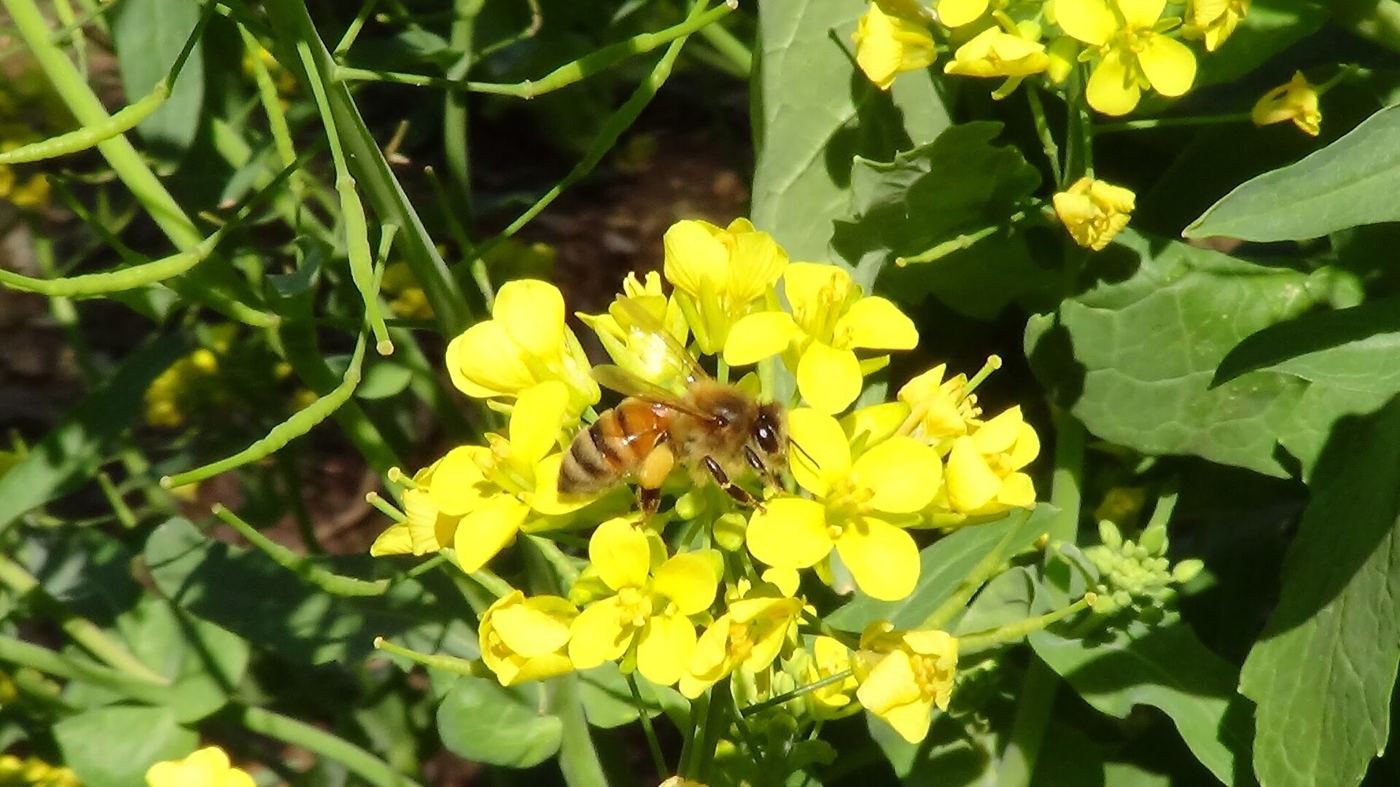
Wild bees, hoverflies and other pollinating insects often have to cross large, open fields where food and shelter can be scarce for much of the year. Ecologists studying farmland say connected strips of flowers, hedgerows and unmown margins can act like routes and resting places, helping insects move between nesting sites and the crops and wild plants they visit. The idea is not to turn productive farms into nature reserves, but to use edges and less productive corners more thoughtfully. When those features bloom in sequence from spring to autumn, pollinators gain a steadier supply of nectar and pollen, and farms may benefit through better pollination of beans, fruit and other insect-dependent crops nearby. Timing is just as important as planting, because a strip that flowers only in midsummer leaves early spring queens and late autumn insects with little to eat, so careful mixtures aim to bridge those hungry gaps across the whole active season.
What the Evidence Shows
Researchers are testing which plant mixtures work best in different soils, and how wide a strip needs to be before insects actually use it as a corridor. Results vary by landscape, which is why local trials matter more than grand claims. Farmers involved in such schemes often report practical trade-offs, including extra management and the need to protect strips during spraying and harvesting. Even with those challenges, the principle is widely shared across farming and conservation groups, which is that a field boundary can do more than mark ownership. Managed well, it can feed insects, shelter birds, reduce wind erosion and make the whole farm landscape more resilient. Monitoring with simple transect walks and nest boxes helps show whether insects are merely passing through or actually breeding locally, a distinction that decides whether a corridor is genuinely rebuilding populations or simply making an attractive but temporary feeding stop. Reporting and analysis from sources such as Nature track the same developments, and specialists following pollinator corridors on farmland say the direction is now consistent across independent lines of evidence.
The Wider Context
The wider context is a research landscape in which replication and open data now decide reputations. Findings connected to pollinator corridors on farmland are being checked by independent groups with shared datasets, and the teams involved publish their methods in full so rivals can test every step. That discipline is slower than a headline cycle, but it is why results in this area increasingly survive first contact with scrutiny.
What Happens Next
What happens next in the story of pollinator corridors on farmland will be decided by follow-up work already under way: larger samples, longer observation and instruments that have not yet come online. The researchers involved are unusually united on one point, that the current results justify the next investment of time and money. Readers will not have to wait long for the first tests of that claim. You can follow related developments in our coverage of science.
None of this will be settled by a single announcement, study or product launch. The pattern to watch is accumulation: independent confirmations, honest reporting of failures and steady improvement in the underlying numbers. Readers who follow those signals, rather than the loudest claim of the week, will understand this subject better than most of the commentary surrounding it suggests is possible.
