

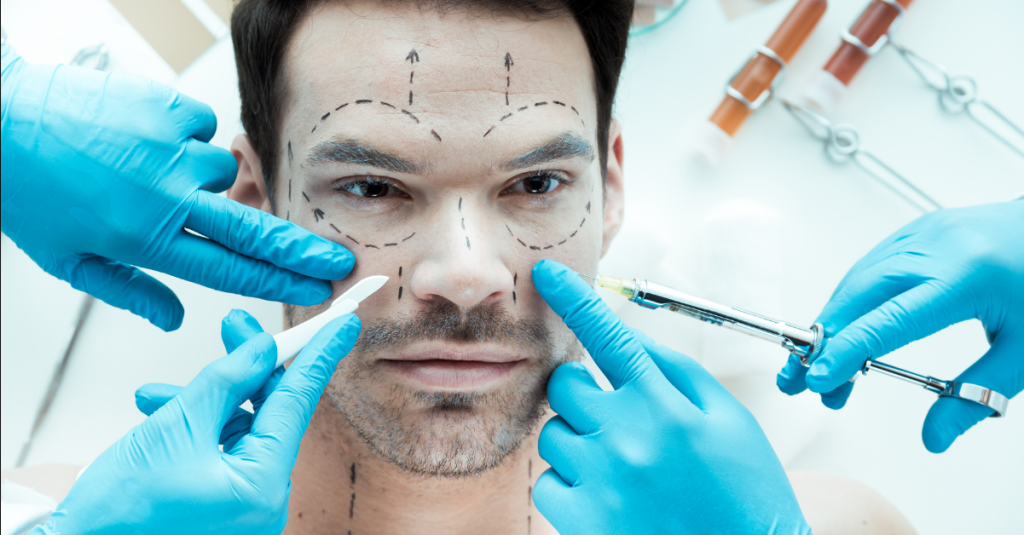
Plastic surgery includes a wide range of procedures designed to restore function, repair physical defects, reconstruct damaged areas, or change certain aspects of appearance. Depending on the patient’s needs, surgery may be reconstructive, cosmetic, or a combination of both.
Anyone considering plastic surgery should understand that results depend on several factors, including the type of procedure, general health, healing ability, and realistic expectations. Knowing what happens before, during, and after surgery can help patients make informed decisions and prepare appropriately for recovery.
What Does a Plastic Surgeon Do?
A plastic surgeon is a medical specialist trained to perform procedures involving the skin, soft tissues, face, breasts, hands, and other areas of the body. Their work can involve restoring function after injury or disease as well as performing procedures intended to alter physical appearance.
Reconstructive and Cosmetic Surgery
Plastic surgery is generally divided into two main categories:
- Reconstructive surgery: Helps repair abnormalities caused by injuries, burns, congenital conditions, cancer treatment, or other medical problems.
- Cosmetic surgery: Focuses primarily on changing or enhancing a person’s appearance based on individual goals.
Some procedures can have both reconstructive and cosmetic benefits. For example, certain nasal surgeries may improve breathing while also changing the shape of the nose.
Common Plastic Surgery Procedures
The appropriate procedure depends on the area being treated, the reason for surgery, the patient’s health, and the expected outcome. A detailed medical assessment is necessary before determining whether a particular operation is suitable.
Common Cosmetic Procedures
Frequently performed cosmetic procedures include:
- Rhinoplasty or nose reshaping
- Liposuction
- Abdominoplasty or tummy tuck
- Breast augmentation
- Breast reduction
- Breast lift
- Eyelid surgery
- Facelift and neck lift
Each procedure involves different surgical techniques, recovery periods, and potential risks.
Common Reconstructive Procedures
Reconstructive plastic surgery may include scar revision, skin grafting, burn reconstruction, hand surgery, breast reconstruction after cancer treatment, repair of congenital abnormalities, and reconstruction following trauma.
In Ahmedabad, individuals considering reconstructive or cosmetic procedures may consult a qualified plastic surgeon in Ahmedabad to discuss their medical needs, treatment expectations, possible alternatives, and the most appropriate surgical approach before making a decision.
What Happens During a Plastic Surgery Consultation?
The initial consultation is an important part of the treatment process. It allows the surgeon to understand the patient’s concerns while determining whether surgery is medically appropriate and likely to achieve realistic goals.
Medical Evaluation and Treatment Planning
During the consultation, patients may be asked about:
- Current and previous medical conditions
- Previous operations
- Current medications and supplements
- Medication allergies
- Smoking and alcohol use
- Expectations from the procedure
The surgeon may also perform a physical examination, take clinical photographs when appropriate, and explain available surgical options.
Patients should use this opportunity to ask about expected results, scars, recovery, risks, alternative treatments, and the surgeon’s experience with the proposed procedure.
What Are the Possible Risks of Plastic Surgery?
All surgical procedures carry some degree of risk. The likelihood and type of complication depend on the procedure, anesthesia, patient’s health, smoking status, and other individual factors.
Understanding these risks is an important part of informed consent.
Potential Surgical Complications
Possible complications may include:
- Bleeding
- Infection
- Blood clots
- Fluid accumulation
- Delayed wound healing
- Noticeable or abnormal scarring
- Changes in skin sensation
- Asymmetry
- Anesthesia-related complications
- Unsatisfactory results
Some patients may require additional treatment or revision surgery if complications occur or the expected outcome is not achieved.
Factors That Can Affect Surgical Risk
Smoking, uncontrolled diabetes, certain medications, obesity, existing medical conditions, and poor wound-healing ability may increase the likelihood of complications. Patients should provide complete and accurate health information before surgery so potential risks can be assessed appropriately.
How to Prepare for Plastic Surgery
Preparation varies according to the procedure and the patient’s medical condition. Following preoperative instructions carefully can help reduce avoidable risks and support a smoother recovery.
Before the Procedure
Patients may be advised to:
- Complete blood tests or other investigations
- Stop smoking well before surgery
- Avoid certain medicines or supplements when medically advised
- Arrange transportation after the procedure
- Prepare assistance at home during early recovery
- Follow instructions regarding eating and drinking before anesthesia
Patients should never stop prescribed medicines without discussing the change with their healthcare professional.
What to Expect During Recovery
Recovery after plastic surgery varies considerably. Minor procedures may allow patients to resume routine activities relatively quickly, while more extensive operations can require several weeks or months of healing.
Common Experiences After Surgery
During early recovery, patients may experience:
- Swelling
- Bruising
- Mild to moderate discomfort
- Temporary numbness
- Tightness around the treated area
- Reduced activity levels
These symptoms generally improve gradually, although the exact timeline varies between procedures and individuals.
Supporting a Safe Recovery
Patients should follow wound-care instructions, take prescribed medications correctly, avoid strenuous activities until cleared, and attend scheduled follow-up appointments. Compression garments or supportive dressings may also be recommended after certain procedures.
Final results are not always visible immediately. Swelling can take weeks or months to settle, and scars usually continue to mature and change over time.
When Should You Contact Your Doctor After Surgery?
Some discomfort, swelling, and bruising can be expected during recovery. However, symptoms that are severe, unexpected, or progressively worsening should be reported promptly.
Seek medical advice if you experience increasing redness or warmth around the wound, persistent bleeding, pus-like discharge, high fever, worsening pain, sudden significant swelling, breathing difficulty, or other concerning symptoms. Urgent symptoms such as severe breathing difficulty or chest pain require immediate medical attention.
Conclusion
Plastic surgery can serve both reconstructive and cosmetic purposes, but every procedure requires careful evaluation, realistic expectations, and appropriate preparation. Understanding the procedure, potential complications, recovery requirements, and expected results can help patients make informed decisions.
A thorough consultation is essential before proceeding with surgery. Patients should discuss their medical history openly, understand available alternatives, follow preoperative and postoperative instructions carefully, and allow sufficient time for healing and follow-up care.
Frequently Asked Questions
1. How long does recovery after plastic surgery take?
Recovery depends on the type and extent of surgery, overall health, and individual healing. Some procedures require only a few weeks, while swelling, scars, and final results may continue improving for several months.
2. Is plastic surgery considered safe?
Plastic surgery can generally be performed safely in appropriately selected patients, but no operation is completely risk-free. Potential complications include infection, bleeding, scarring, anesthesia reactions, delayed healing, and results that differ from expectations.
3. How should I prepare for a plastic surgery consultation?
Bring details about your medical history, current medications, previous procedures, allergies, and treatment goals. Prepare questions about expected results, possible complications, alternatives, recovery time, scarring, and the surgeon’s experience with the procedure.
4. Will scars remain after plastic surgery?
Most surgical procedures involving incisions leave some degree of scarring. Surgeons usually position incisions carefully where possible, while scar appearance typically changes and gradually becomes less noticeable as healing progresses over time.
5. When can I return to work after plastic surgery?
Return-to-work timing depends on the procedure, type of job, discomfort, swelling, and healing progress. Some patients return within days, while more extensive surgery may require several weeks before normal work activities are appropriate.
