

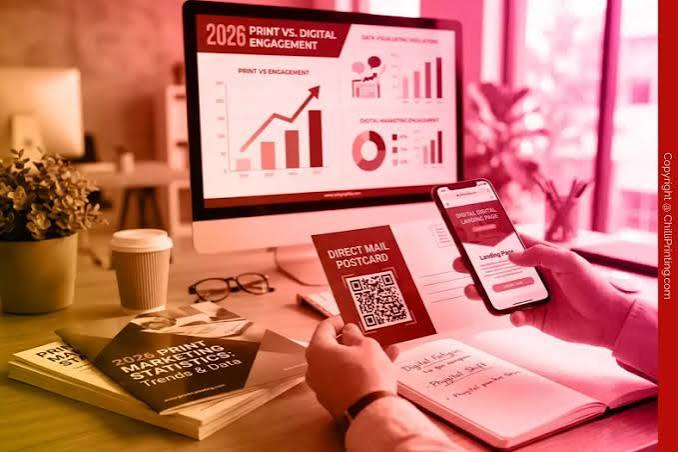
Even in an increasingly digital world, printing continues to play a vital role in helping businesses build brand recognition and connect with customers. In 2026, companies are combining traditional print materials with modern marketing strategies to create memorable experiences that digital ads alone cannot achieve. From personalized brochures to sustainable packaging, print marketing is evolving rapidly and delivering measurable results for businesses of every size.
One of the biggest reasons companies continue investing in print is its ability to create a lasting impression. High-quality business cards, catalogs, banners, and promotional materials communicate professionalism and credibility. Many organizations now rely on professional printing services to produce premium marketing materials that reflect their brand identity while maintaining consistent quality across every campaign.
Personalized Printing Is Driving Better Engagement
Personalization has become one of the most effective marketing strategies in recent years. Businesses are no longer sending the same flyer or postcard to every customer. Instead, they use customer data to create personalized print campaigns that include names, purchase history, and tailored offers.
Benefits of personalized printing include:
- Higher customer engagement
- Better response rates
- Stronger brand loyalty
- Improved conversion rates
- More memorable customer experiences
Variable data printing technology makes personalization both affordable and scalable for businesses of all sizes.
Sustainable Printing Is Becoming a Standard
Consumers increasingly prefer brands that demonstrate environmental responsibility. As a result, sustainability has become one of the leading trends in printing during 2026.
Companies are choosing:
- Recycled paper stocks
- Soy-based inks
- Eco-friendly packaging
- FSC-certified materials
- Minimal waste production methods
Sustainable printing not only reduces environmental impact but also strengthens a company’s reputation among environmentally conscious customers.
Premium Finishes Help Brands Stand Out
Modern print marketing focuses on quality rather than quantity. Businesses understand that a beautifully finished brochure often leaves a stronger impression than dozens of ordinary flyers.
Popular premium finishes include:
- Soft-touch lamination
- Spot UV coating
- Embossing
- Foil stamping
- Die-cut designs
These finishing options add texture and visual appeal while making printed materials feel more luxurious and memorable.
Short-Run Digital Printing Offers Greater Flexibility
Traditional offset printing remains valuable for large production runs, but digital printing has become the preferred option for many businesses.
Advantages include:
- Faster turnaround times
- Lower minimum order quantities
- Easier content updates
- Reduced inventory costs
- Cost-effective testing of marketing campaigns
Businesses can now print smaller batches without sacrificing quality or increasing costs significantly.
QR Codes Continue Connecting Print and Digital
Print marketing is no longer isolated from digital marketing. QR codes have become an essential bridge between physical materials and online experiences.
Businesses use QR codes to direct customers toward:
- Product pages
- Online stores
- Promotional videos
- Appointment booking systems
- Customer reviews
- Event registrations
This integration allows marketers to measure campaign performance while providing customers with convenient access to additional information.
Large Format Printing Remains Highly Effective
Large-format printing continues to attract attention in retail stores, trade shows, and public spaces.
Popular applications include:
- Storefront graphics
- Window displays
- Exhibition booths
- Outdoor banners
- Vehicle wraps
- Wall murals
Large visual displays create immediate brand visibility and help businesses capture attention in crowded environments.
Packaging Has Become a Powerful Marketing Tool
Businesses increasingly recognize that packaging is more than protection—it is an extension of their brand.
Current packaging trends include:
- Custom printed boxes
- Branded tissue paper
- Personalized thank-you cards
- Premium product labels
- Sustainable shipping materials
A well-designed package creates a memorable unboxing experience that encourages customer loyalty and social media sharing.
Minimalist Designs Are Dominating Print Marketing
Clean, simple layouts continue to outperform overly complicated designs.
Successful print materials often feature:
- Plenty of white space
- Bold typography
- High-quality photography
- Limited color palettes
- Clear calls to action
Minimalist designs improve readability while giving brands a modern and professional appearance.
Data-Driven Print Campaigns Are Increasing ROI
Businesses are using analytics to improve every aspect of their print marketing.
They track:
- Response rates
- Coupon redemptions
- QR code scans
- Customer demographics
- Campaign conversions
This data allows companies to optimize future campaigns and maximize their marketing budgets.
Print Supports Omnichannel Marketing
Rather than replacing digital marketing, print complements it. Successful businesses integrate printed materials into broader omnichannel campaigns.
Examples include:
- Direct mail promoting online sales
- Catalogs linked to e-commerce websites
- Printed event invitations with digital RSVP options
- Product brochures connected to online demonstrations
This coordinated approach creates a consistent customer journey across both physical and digital channels.
Artificial Intelligence Is Improving Print Design
AI-powered design tools help businesses create more effective marketing materials by analyzing customer preferences and recommending layouts, colors, and messaging.
Companies can now produce:
- Optimized brochure designs
- Personalized catalogs
- Dynamic direct mail campaigns
- Automated marketing materials
This technology reduces production time while improving campaign performance.
Why Print Marketing Still Delivers Results
Despite rapid digital growth, print remains one of the most trusted forms of marketing. Printed materials provide a tangible experience that many online advertisements cannot replicate. Customers often spend more time engaging with high-quality print pieces, resulting in better brand recall and increased purchasing confidence.
Businesses that combine modern design, personalization, sustainability, and digital integration continue to see excellent returns from their print investments.
Conclusion
The future of printing in 2026 is focused on innovation, personalization, and creating meaningful customer experiences. Companies are moving beyond traditional brochures and flyers to produce premium, data-driven marketing materials that support both online and offline campaigns. As competition continues to increase, businesses that embrace these print marketing trends will be better positioned to strengthen their brand, engage customers, and stand out in a crowded marketplace.
